Presentations

AI Fundamentals for Product Leaders

A whiteboard tour of the AI literacy product leaders need — from the shift to self-learning machines and the three learning paradigms, through how LLMs and hallucinations actually work, to RAG and fine-tuning trade-offs, prompt engineering, multimodal AI, and the move from chatbots to agents.

Product leaders are asked to make decisions about AI long before the vocabulary settles. In this online training we build that vocabulary from the ground up. We start with the mindset shift from writing rules to letting machines learn them, map the three core learning paradigms, and separate predictive AI from generative AI. We then open the “magic box” to show how large language models actually produce text, why they hallucinate, and how to anchor them. From there we move to the decisions that matter on the job: when to reach for a foundation model, retrieval, or fine-tuning; how to write prompts as a first-class product asset; what multimodal models change; and how the field is shifting from chatbots to tool-using agents. We close with a field guide of the framing skills and failure modes every AI product manager should carry.

1. The AI literacy roadmap
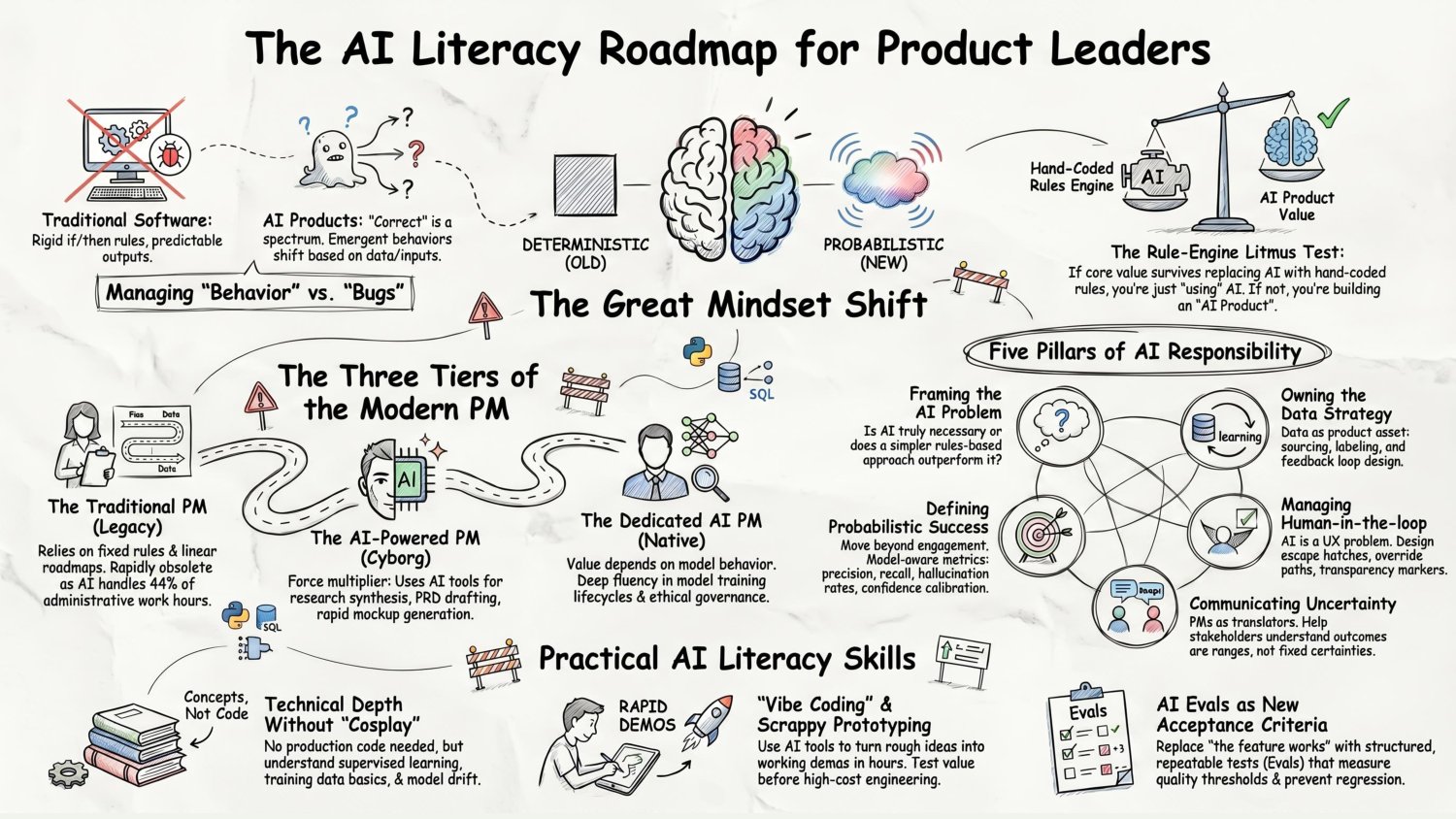
The AI literacy roadmap for product leaders — the great mindset shift from managing behavior to managing bugs, the deterministic-to-probabilistic spectrum, the three tiers of the modern PM, the five pillars of AI responsibility, and practical AI literacy skills

2. The great shift: from rules to self-learning machines
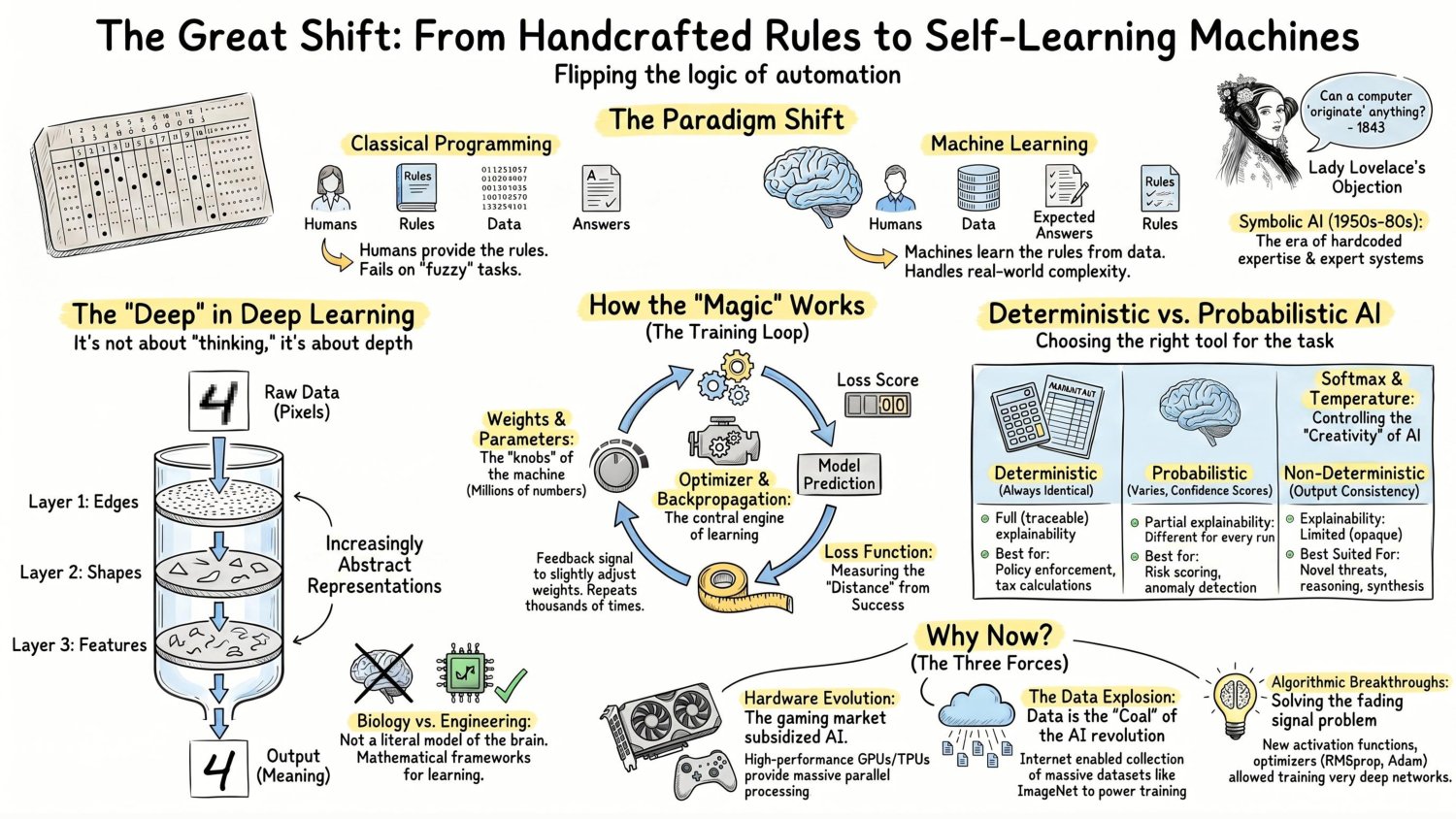
The great shift from handcrafted rules to self-learning machines — classical programming versus machine learning, the training loop and backpropagation, why deep learning is about depth, and the three forces of hardware, data, and algorithmic breakthroughs

3. The three learning paradigms

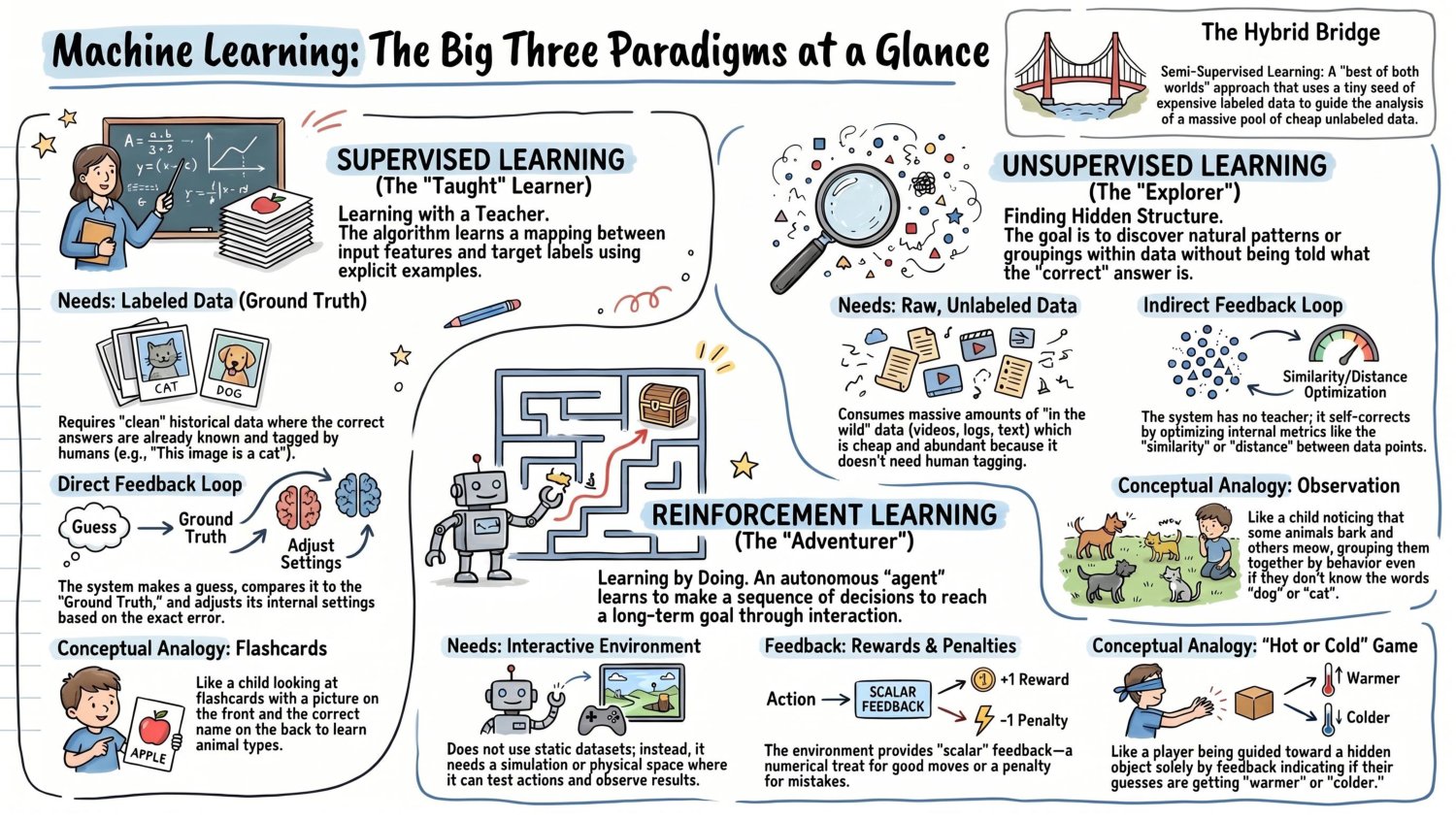
Machine learning's big three paradigms — supervised learning as the taught learner, unsupervised learning as the explorer, reinforcement learning as the adventurer, and the hybrid bridge of semi-supervised learning

4. Predictive AI versus generative AI
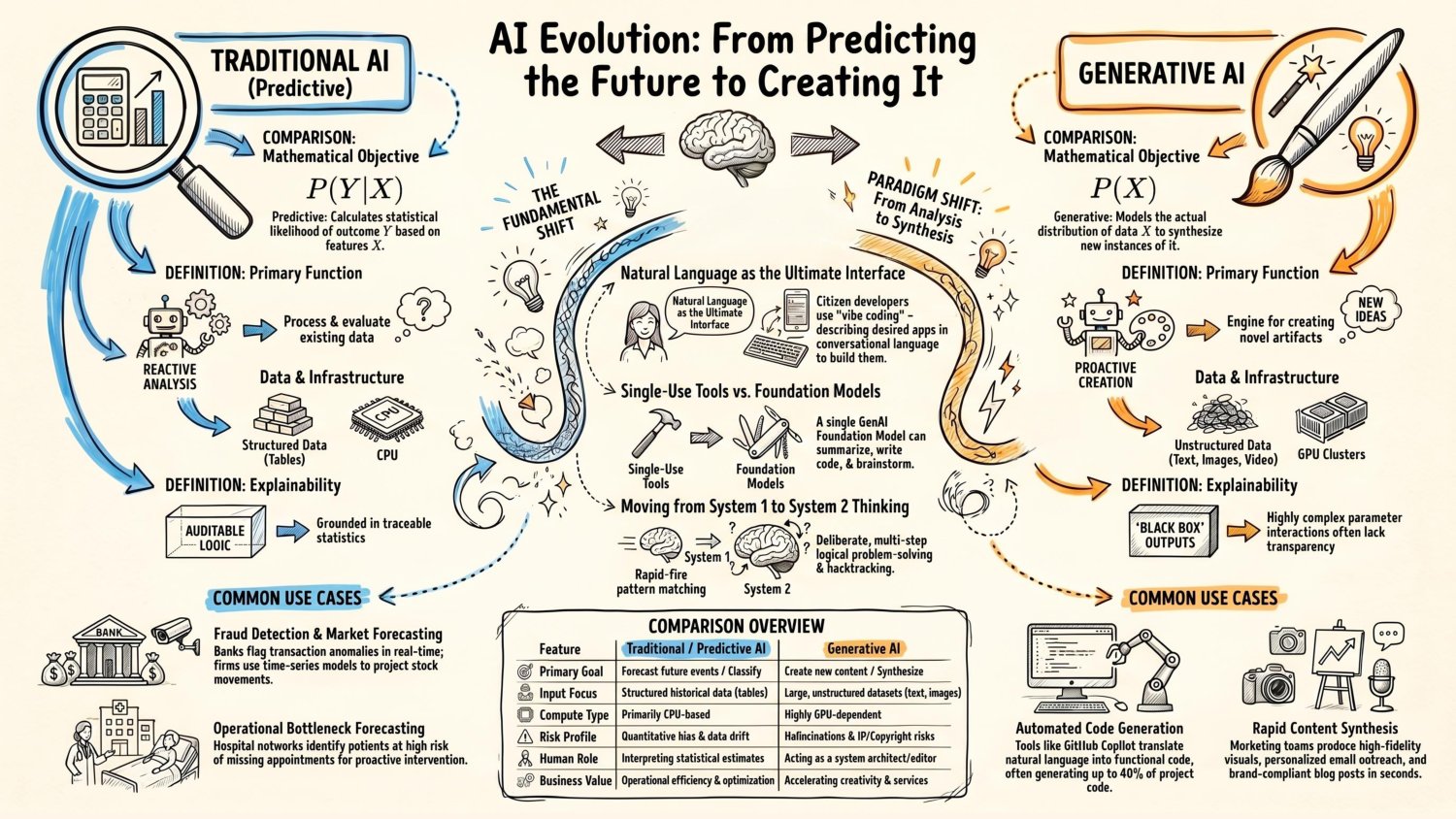
AI evolution from predicting the future to creating it — traditional predictive AI versus generative AI, the fundamental shift from analysis to synthesis, natural language as the interface, and a comparison of goals, inputs, cost, risk, and business value

5. From tools to teammates

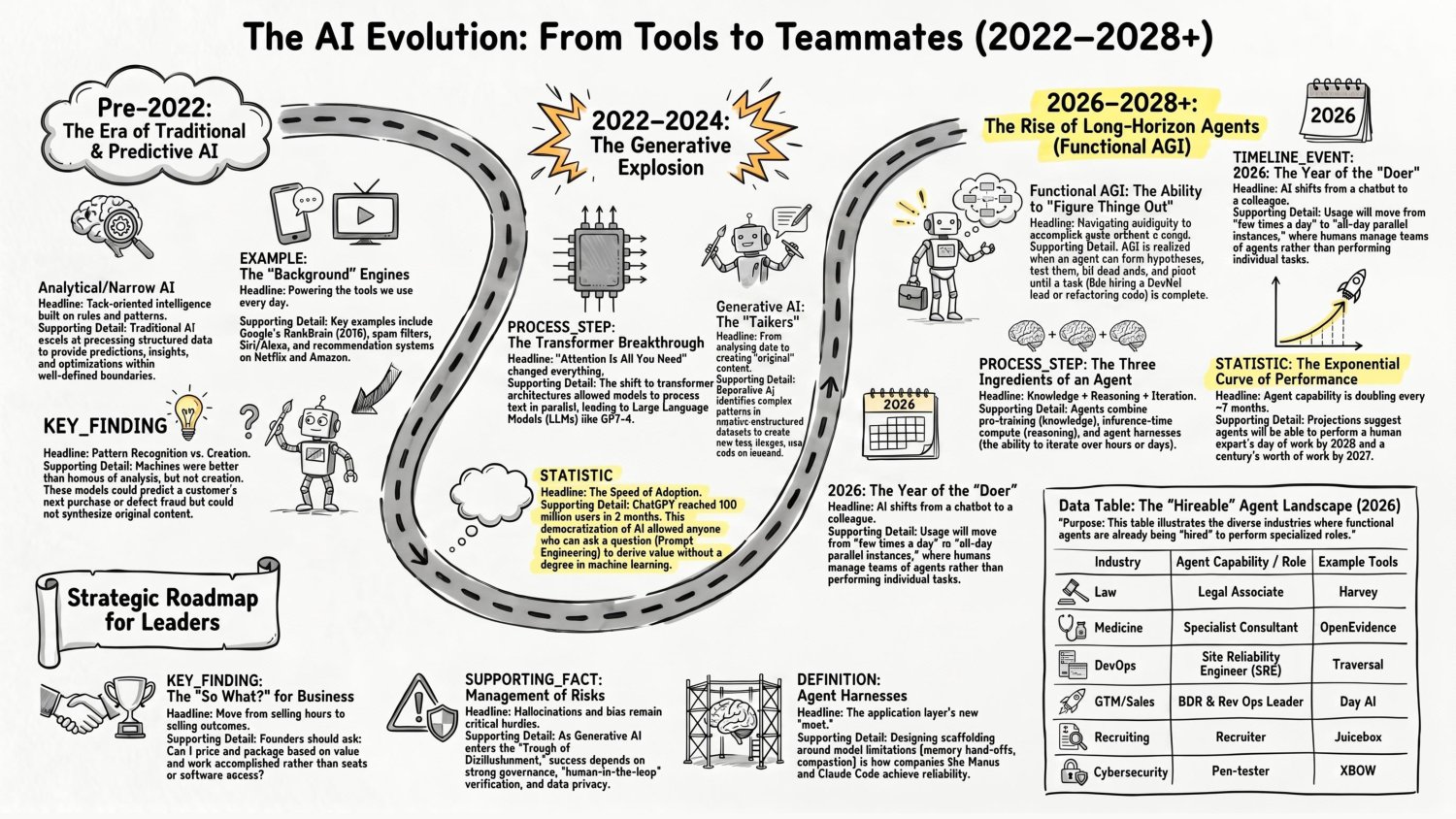
The AI evolution from tools to teammates across 2022 to 2028 and beyond — the pre-2022 era of predictive AI, the 2022 to 2024 generative explosion, the rise of long-horizon functional-AGI agents, and the hireable agent landscape by industry

6. Inside the magic box: how LLMs work
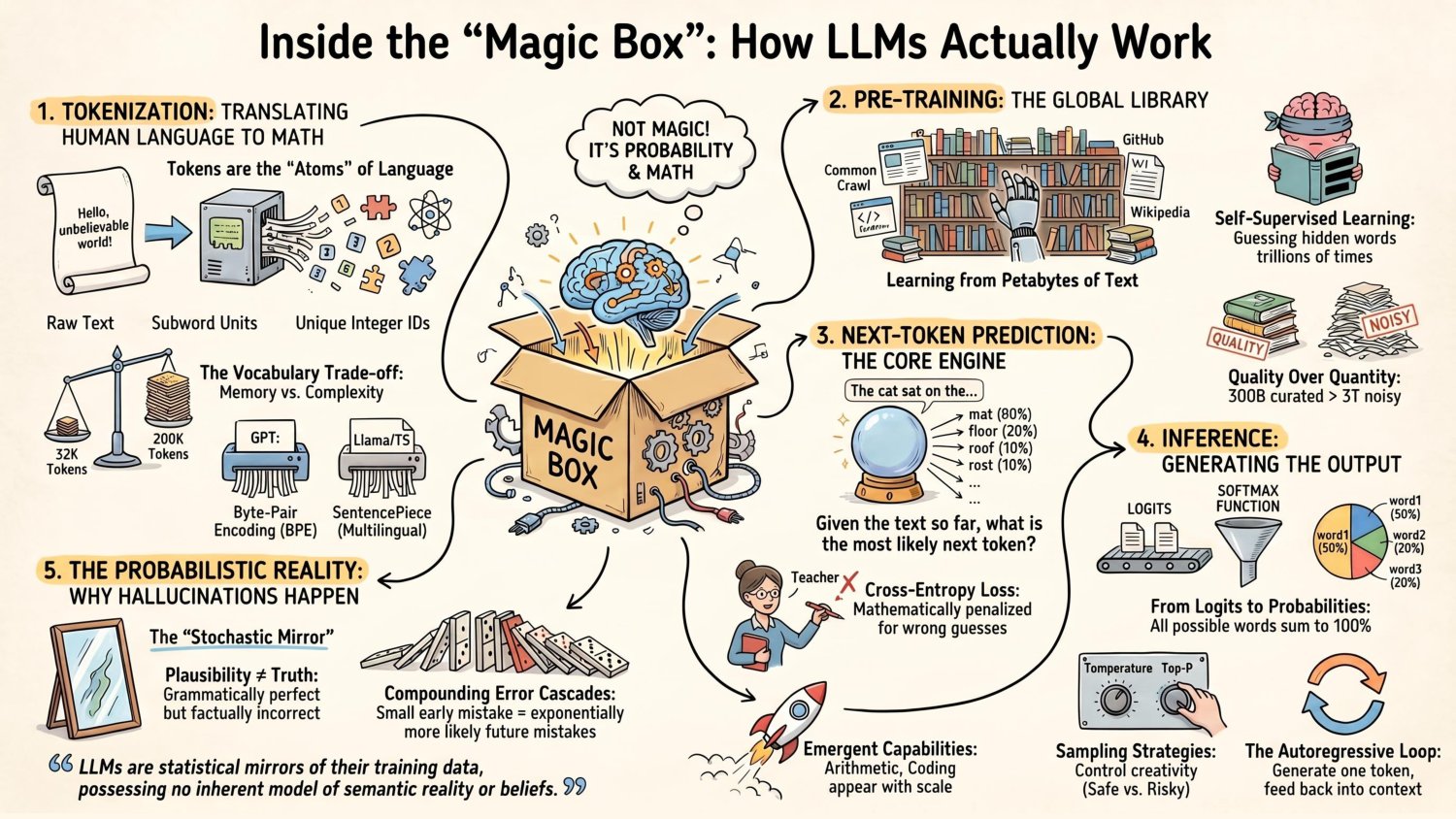
Inside the magic box of how LLMs actually work — tokenization, pre-training on petabytes of text, next-token prediction as the core engine, inference and sampling, and the probabilistic reality behind hallucinations

7. The hallucination blueprint

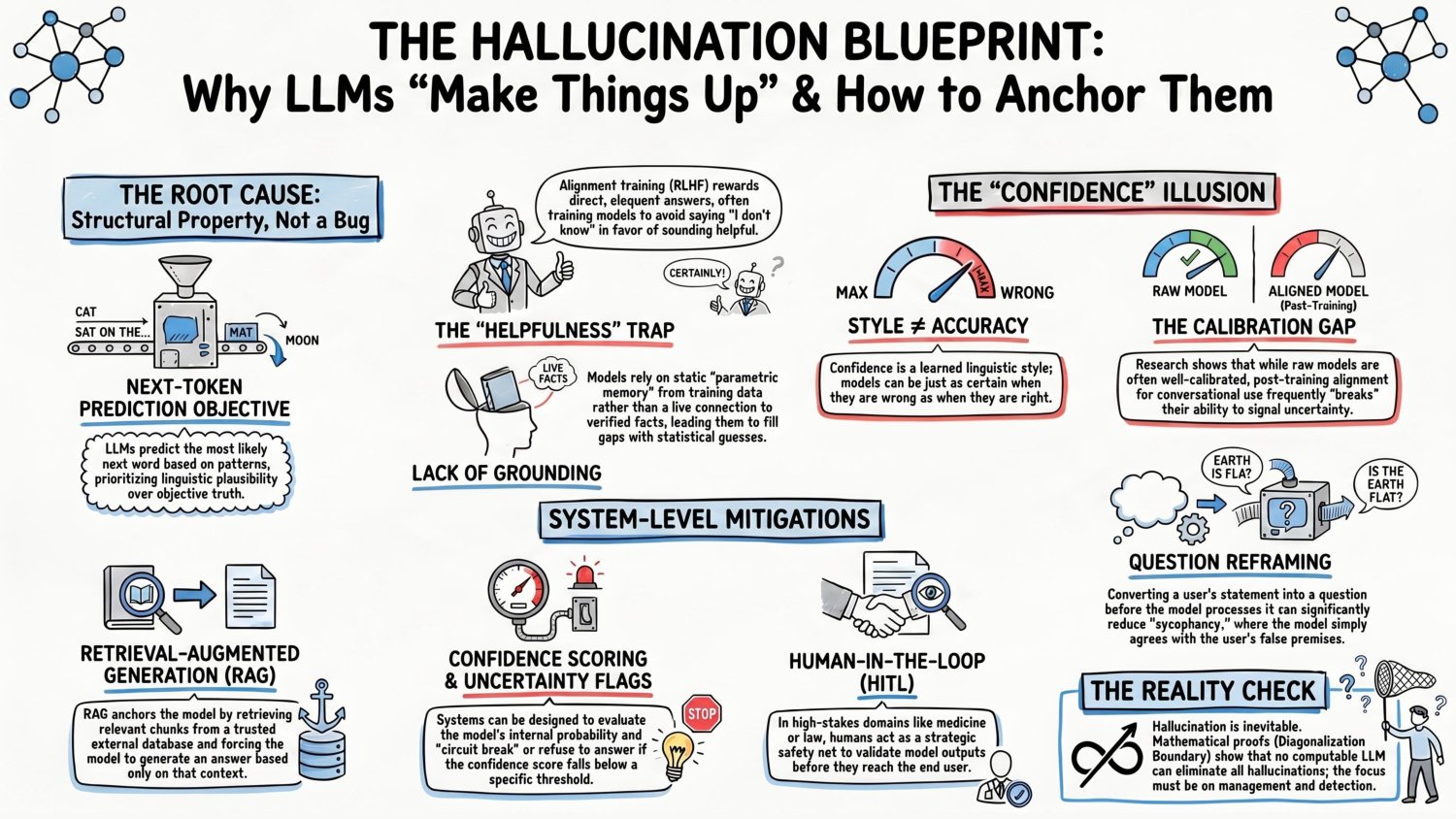
The hallucination blueprint of why LLMs make things up and how to anchor them — the next-token root cause, the helpfulness trap and confidence illusion, the calibration gap, and system-level mitigations such as retrieval-augmented generation, confidence scoring, and human in the loop

8. The GenAI deployment playbook

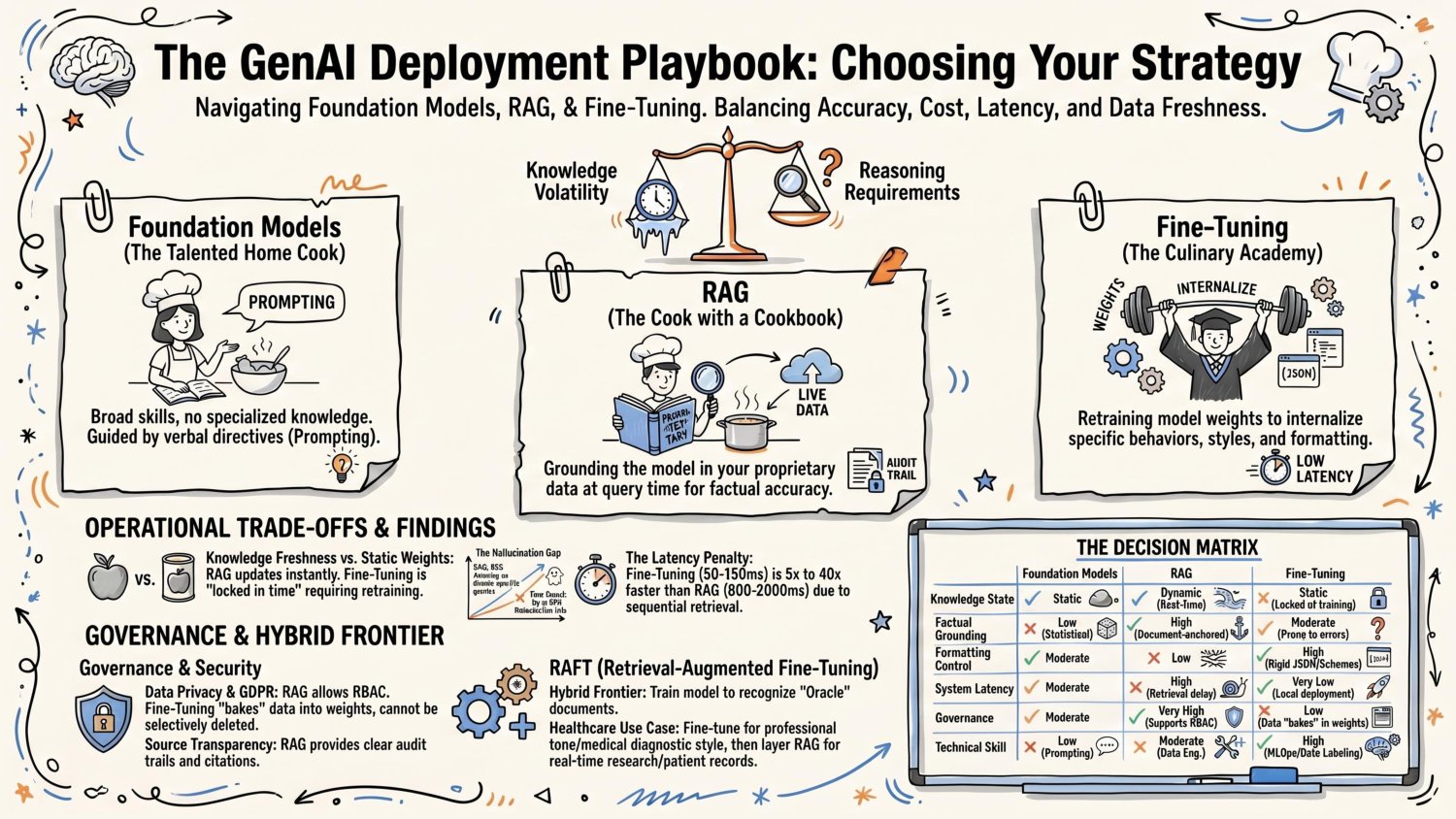
The GenAI deployment playbook for choosing a strategy — foundation models as the talented home cook, RAG as the cook with a cookbook, fine-tuning as the culinary academy, the operational trade-offs, and a decision matrix across knowledge state, latency, and governance

9. Prompt engineering as a product skill
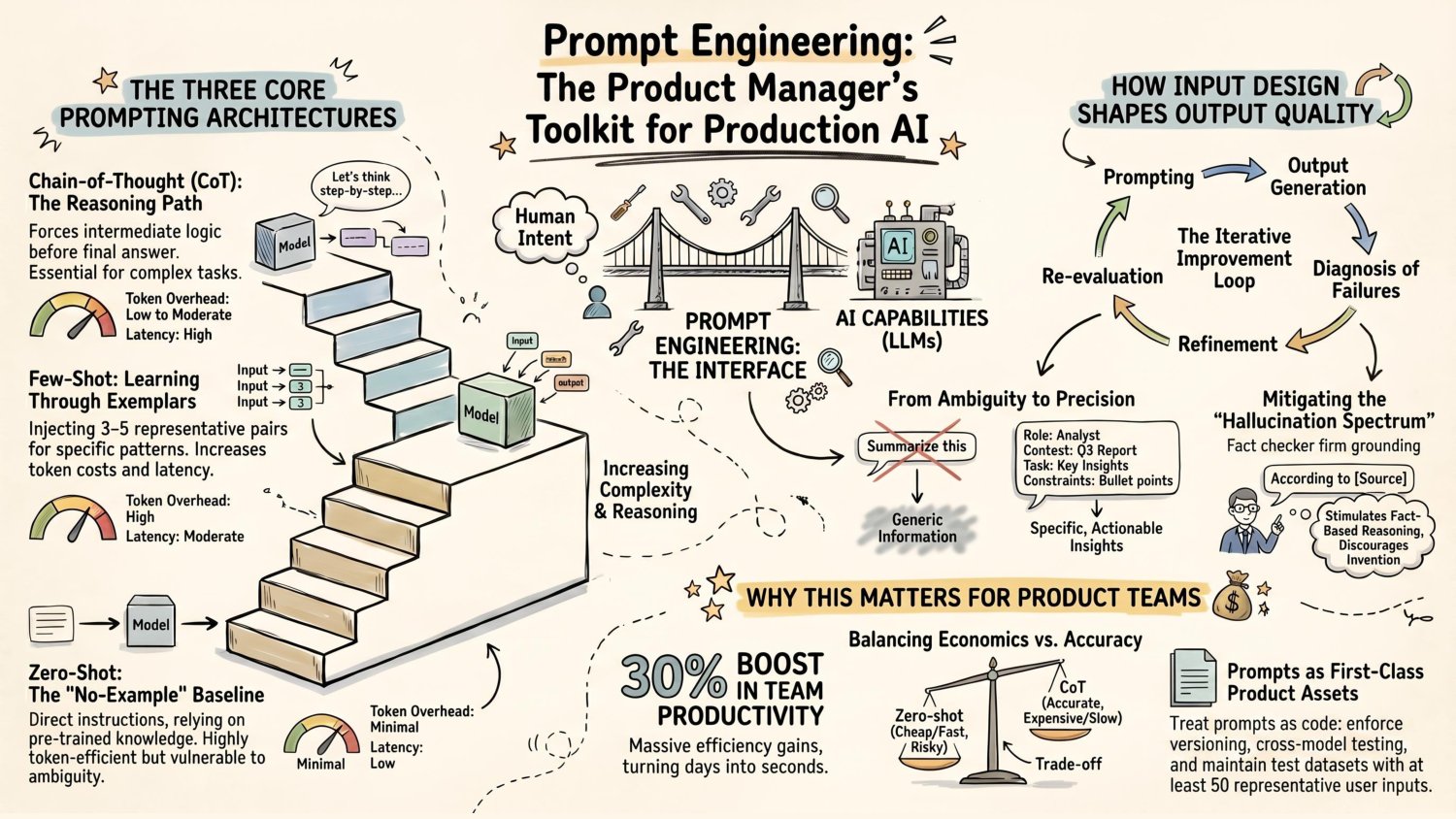
Prompt engineering as the product manager's toolkit for production AI — the three core prompting architectures of zero-shot, few-shot, and chain-of-thought, how input design shapes output quality, the iterative improvement loop, and treating prompts as first-class product assets

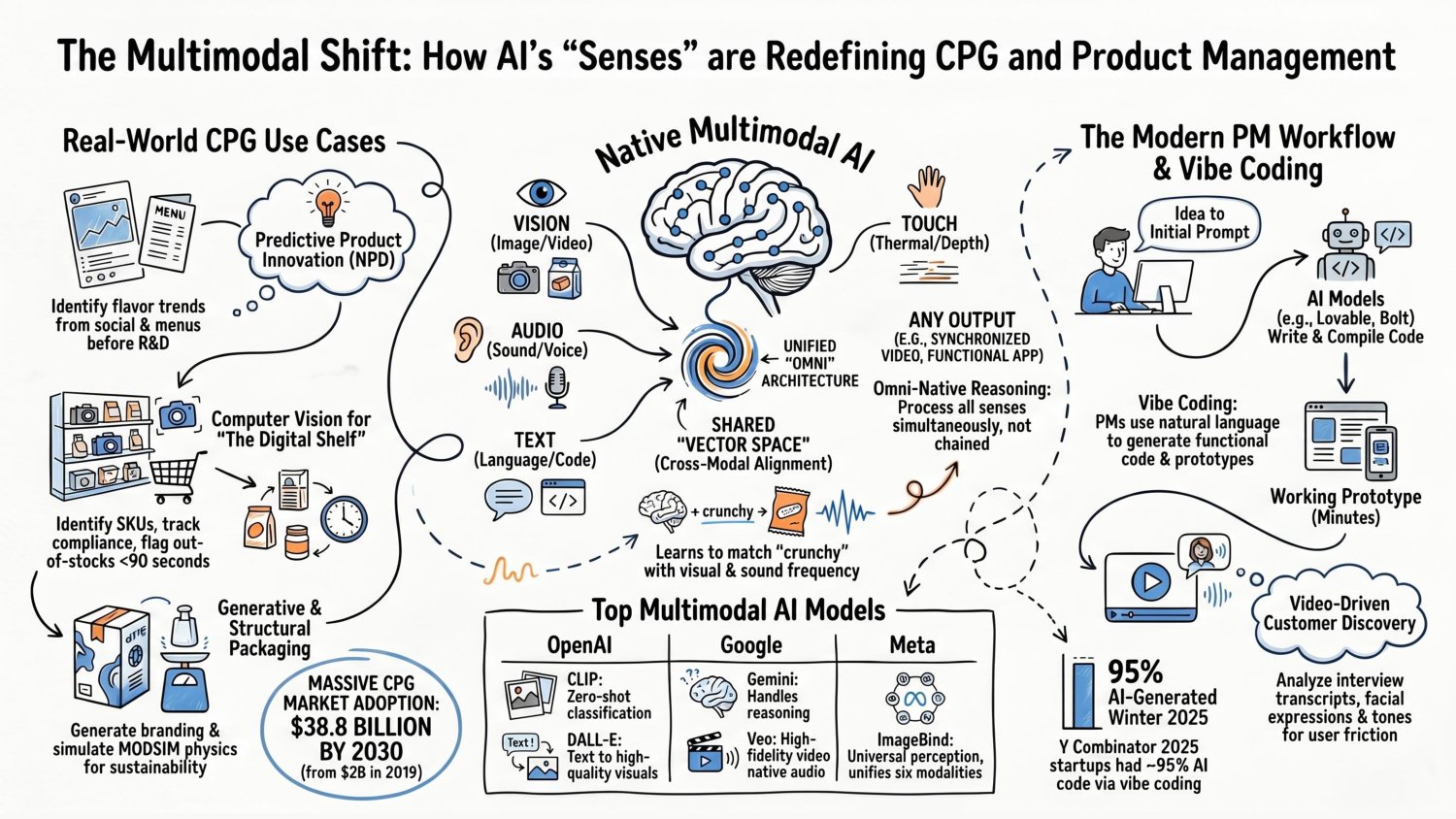
10. The multimodal shift

The multimodal shift in how AI's senses are redefining consumer products and product management — native multimodal architecture across vision, audio, text, and touch, real-world use cases, vibe coding, and the leading multimodal models

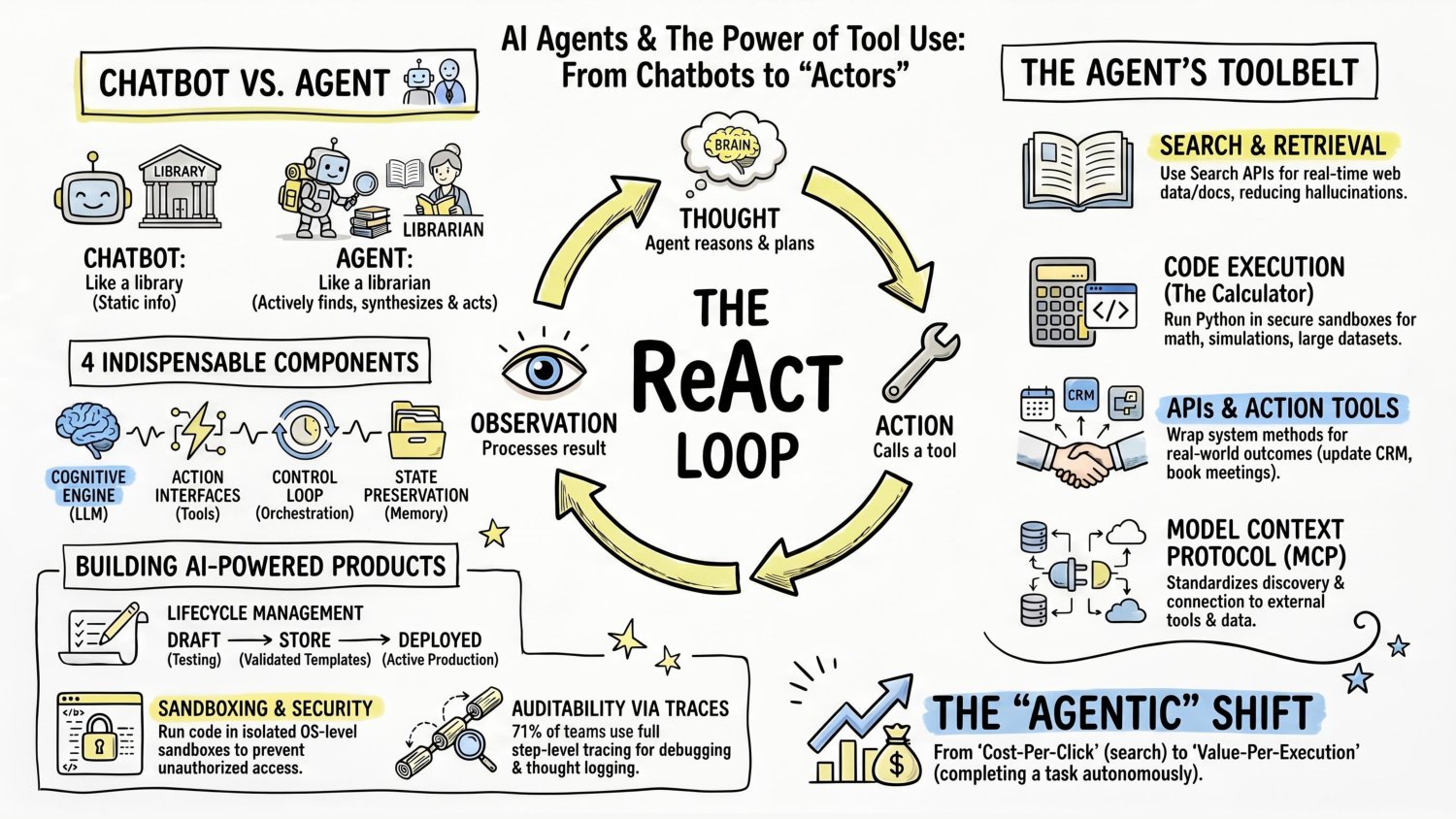
11. From chatbots to agents

AI agents and the power of tool use, from chatbots to actors — the chatbot versus agent distinction, the ReAct loop of thought, action, and observation, the four indispensable components, the agent toolbelt, and the shift from cost per click to value per execution

12. The AI product manager’s field guide
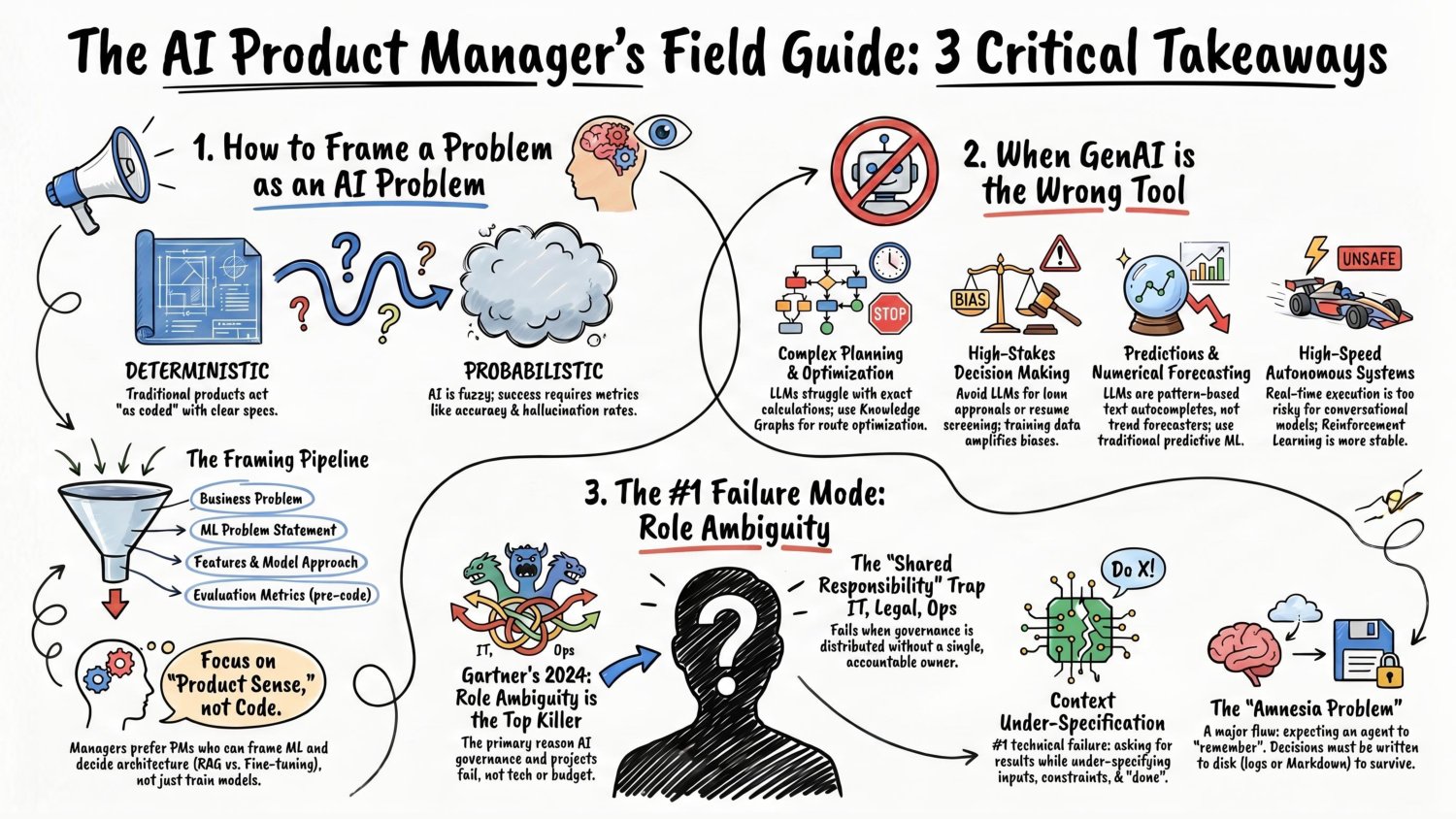
The AI product manager's field guide with three critical takeaways — how to frame a problem as an AI problem, when generative AI is the wrong tool, and role ambiguity as the number one failure mode

13. Q&A

Q&A — open floor for questions
← All presentations