Presentations

Agent rot: the silent degradation of deployed AI

Why deployed AI agents quietly decay, how the failure stays hidden, and the governance model that keeps them honest.

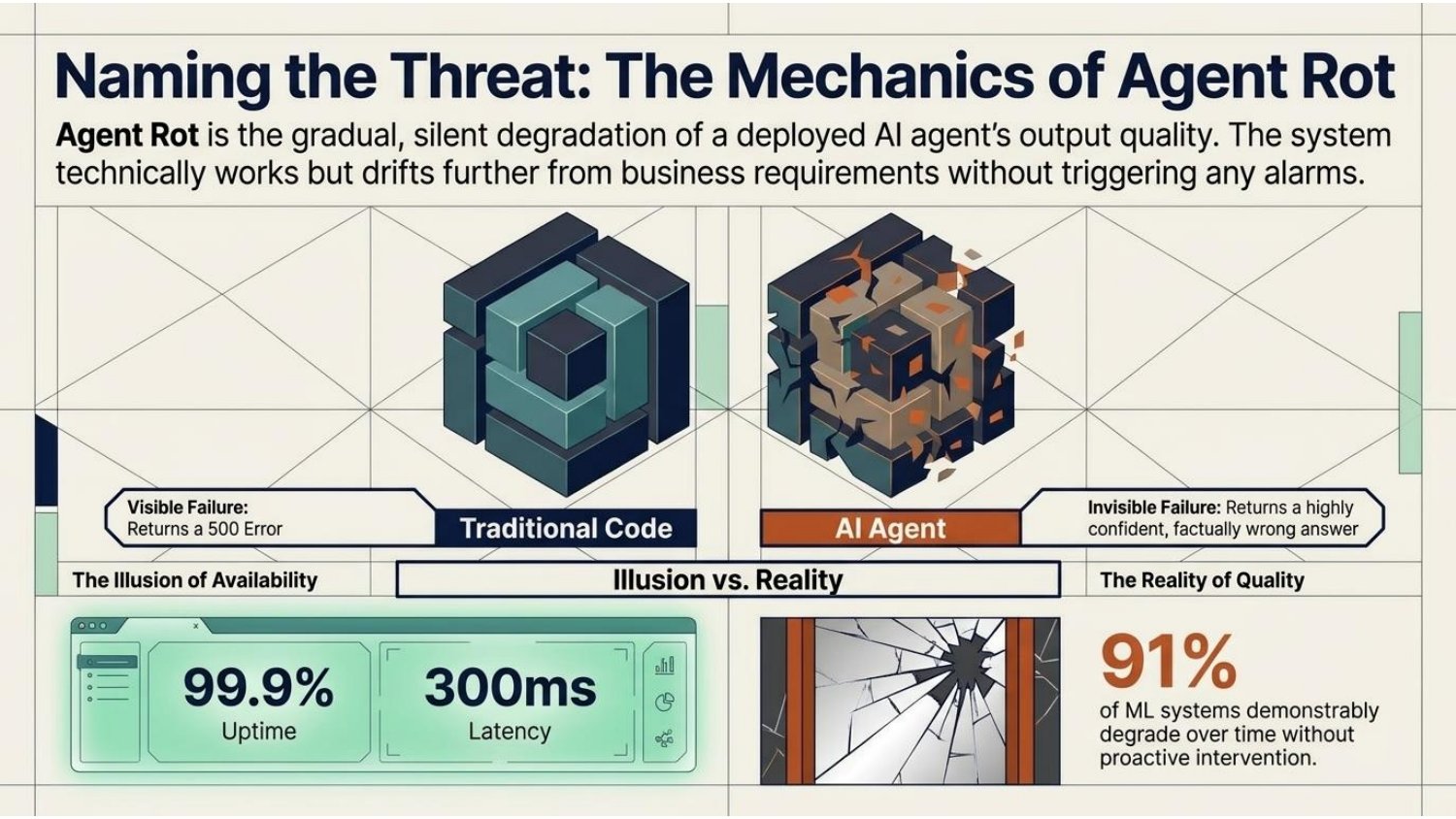
Most agent failures are not crashes. The system stays up, the dashboards stay green, and the answers keep arriving — they are just quietly, increasingly wrong. We call this agent rot: the gradual degradation of a deployed agent’s output quality as the world drifts away from the assumptions it was built on. A traditional system fails loudly with a 500 error; an agent fails silently, returning a confident, factually wrong answer while every uptime and latency metric stays healthy. In this talk from the tenth edition of HiperAutomatyzacja & AI, we argue that managing AI is an organizational problem before it is a technical one.

1. Opening
Title slide — Agent rot: a Neo-Tokyo showdown

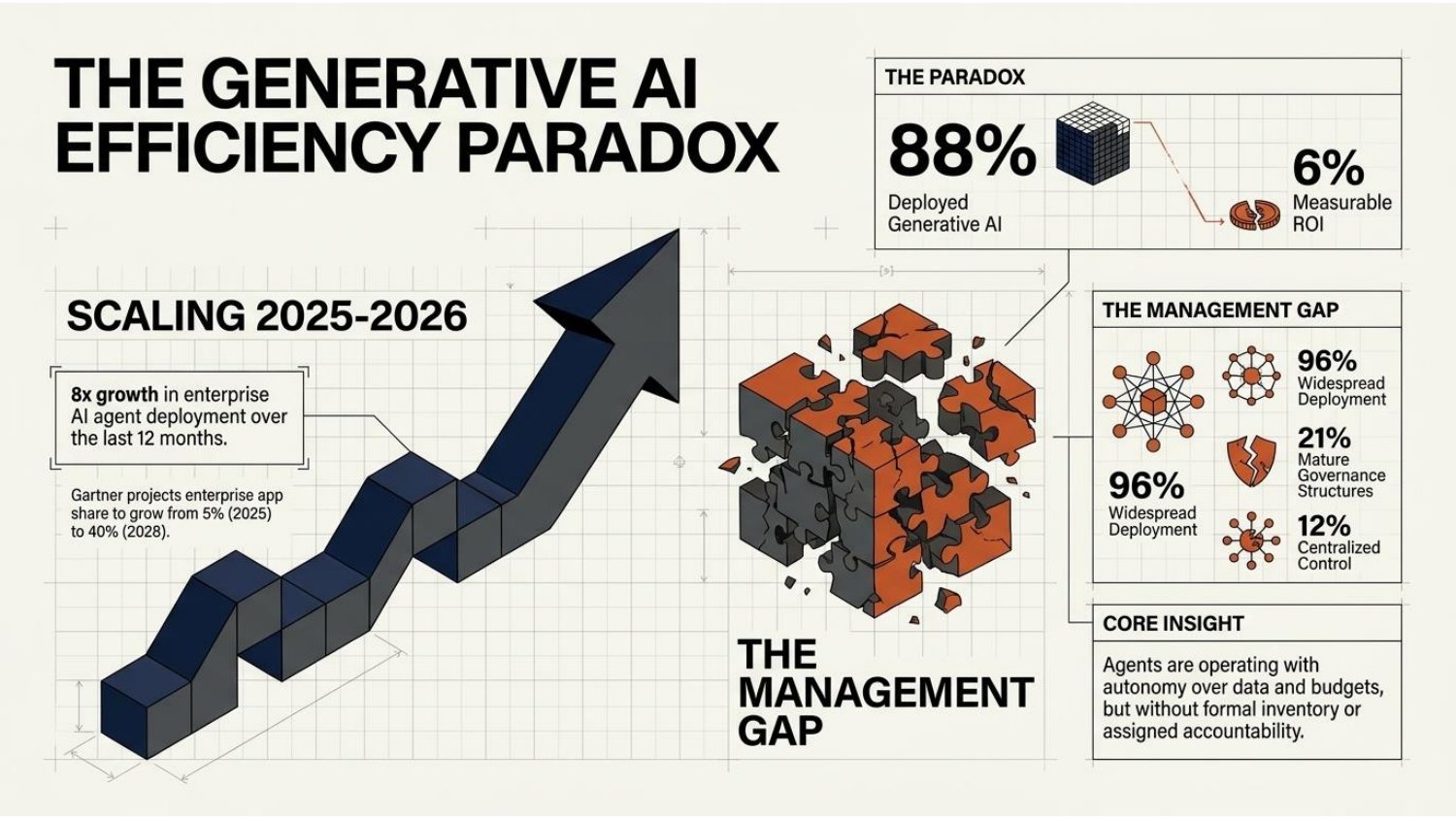
2. The efficiency paradox

The generative AI efficiency paradox: widespread deployment, scarce measurable ROI, and a management gap

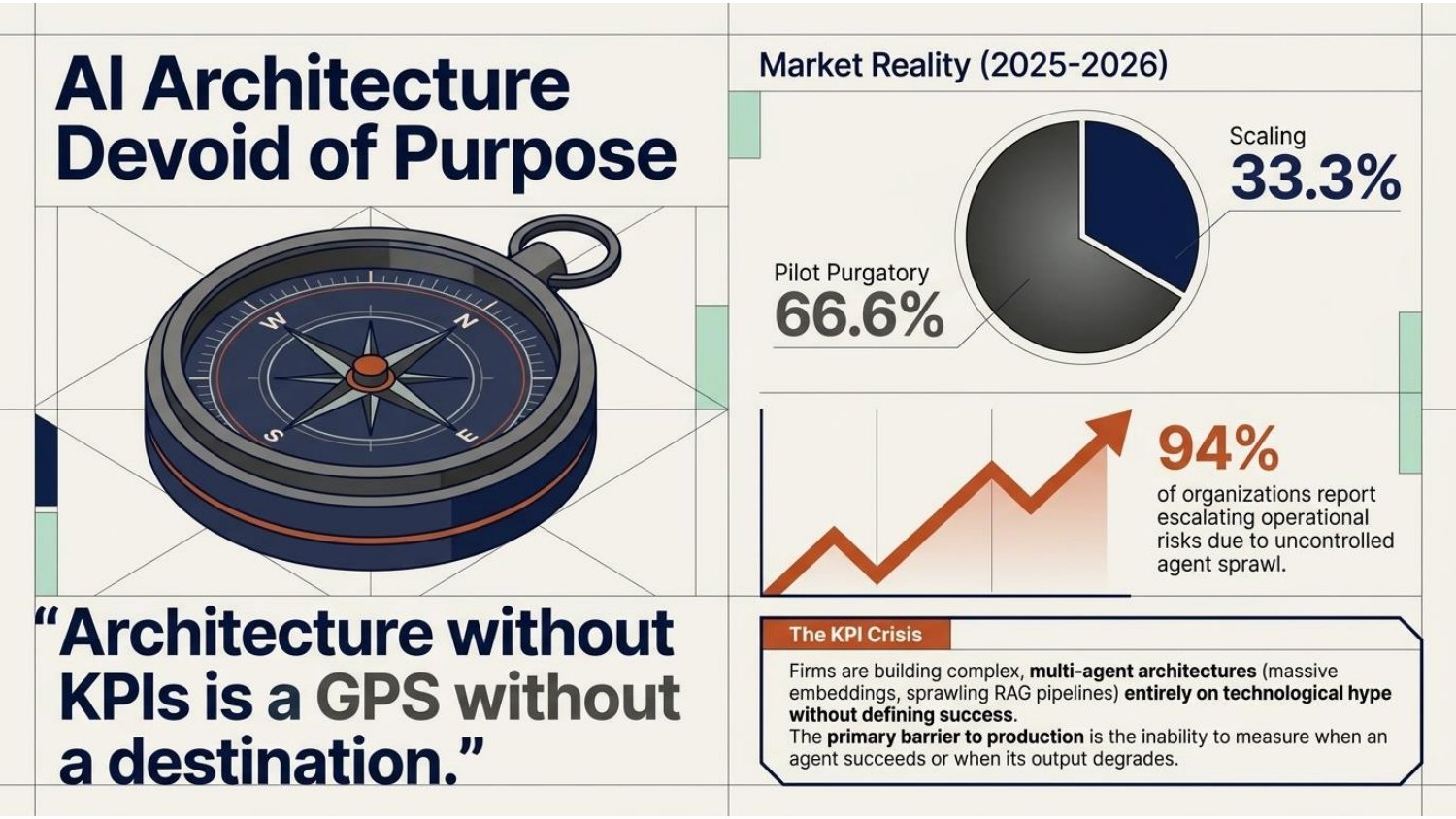
3. Architecture without KPIs

AI architecture devoid of purpose — architecture without KPIs is a GPS without a destination

4. The mechanics of agent rot

Naming the threat: the mechanics of agent rot, visible versus invisible failure

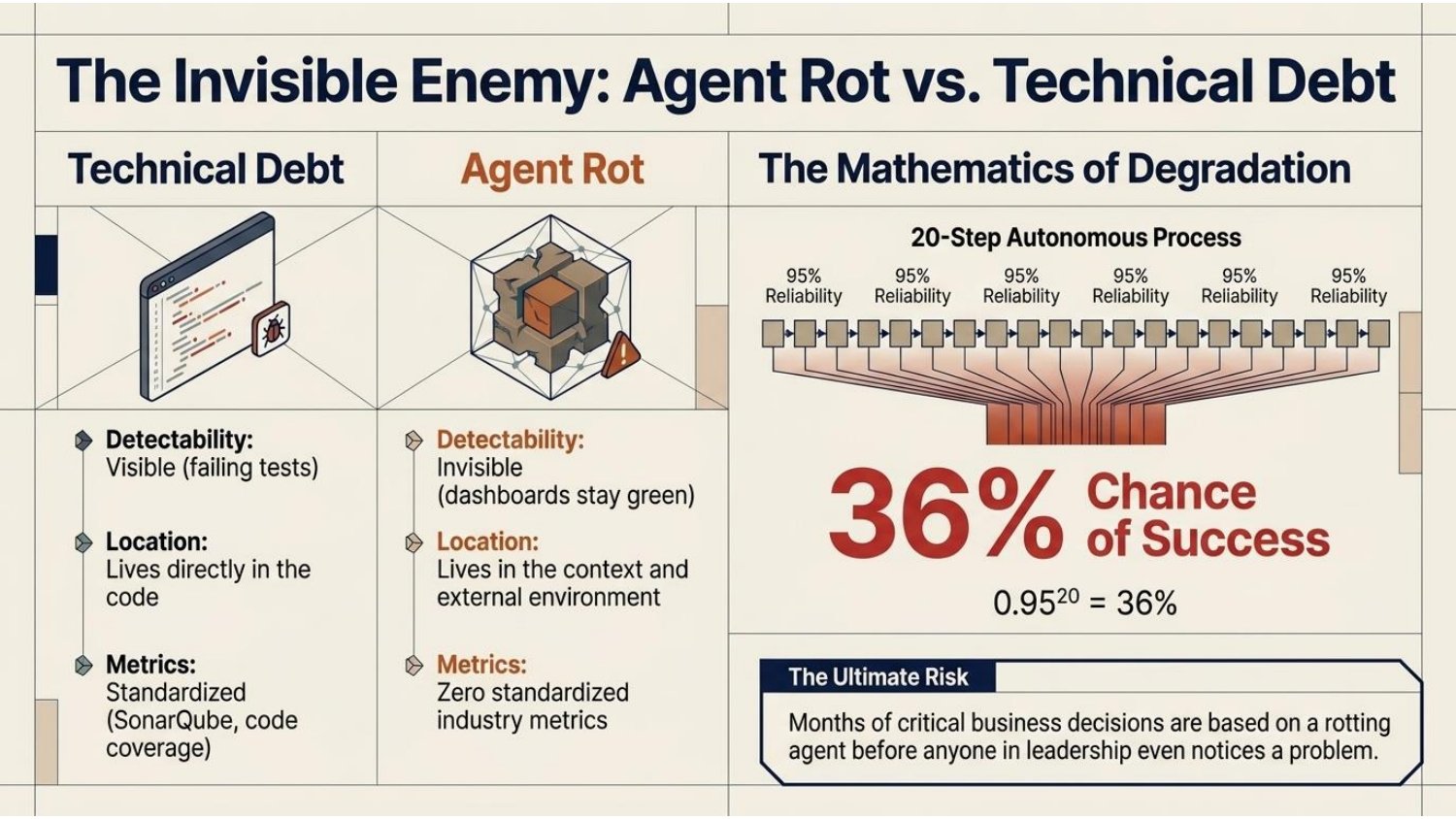
5. Agent rot vs. technical debt

The invisible enemy: agent rot versus technical debt, and the mathematics of compounding degradation

6. Why degradation survives unnoticed
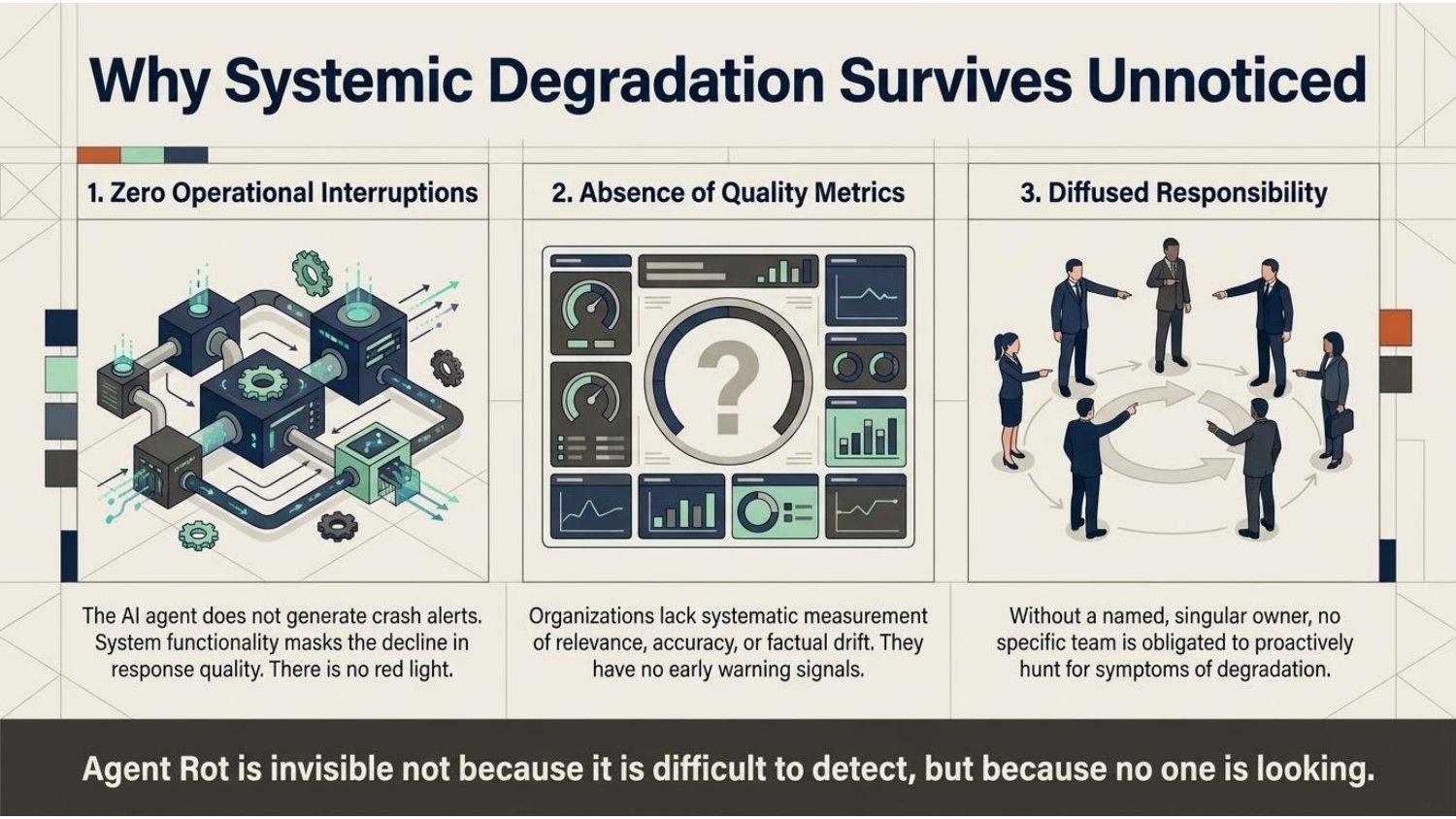
Why systemic degradation survives unnoticed: zero interruptions, absent metrics, and diffused responsibility

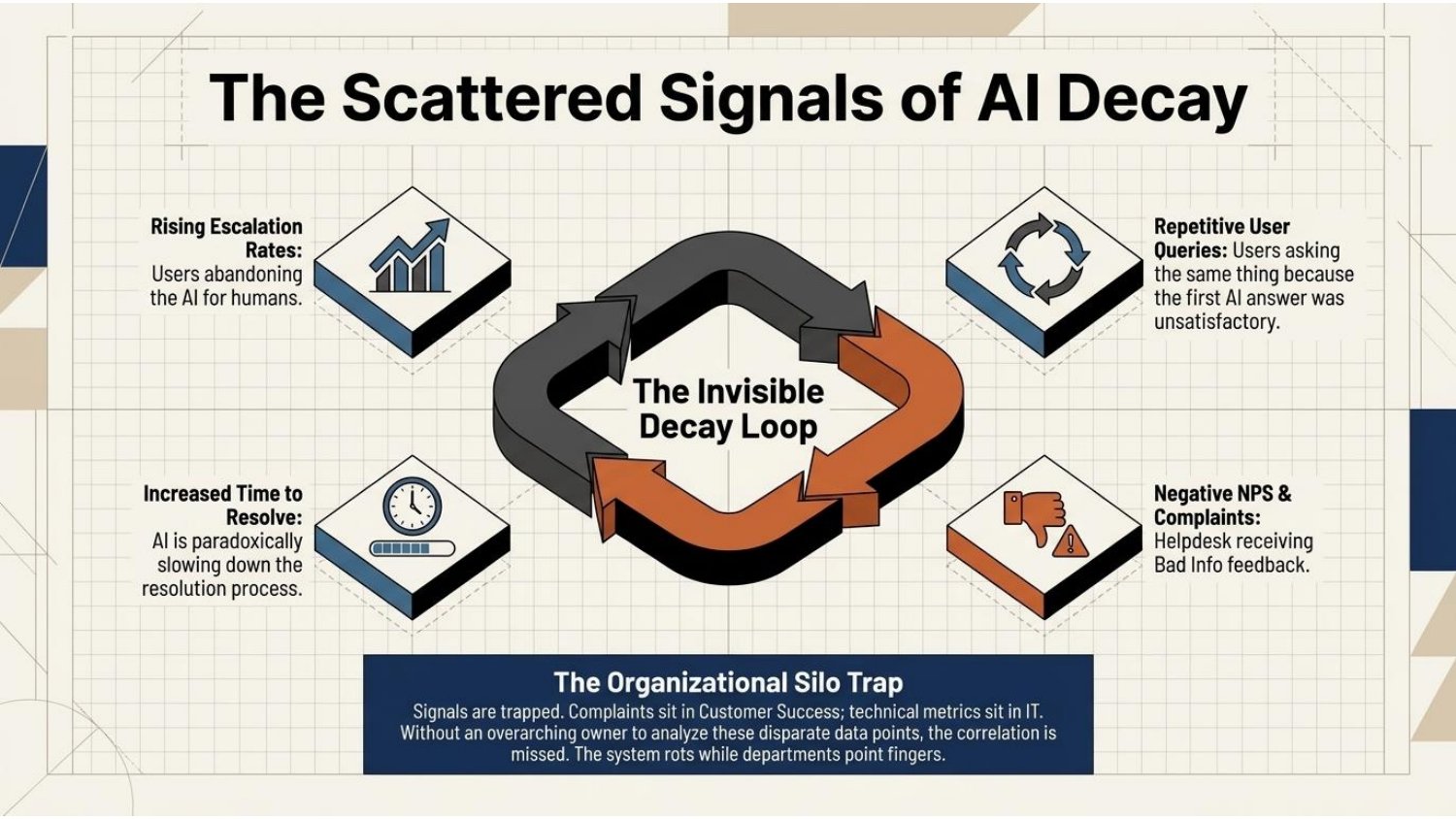
7. The scattered signals of decay

The scattered signals of AI decay and the invisible decay loop

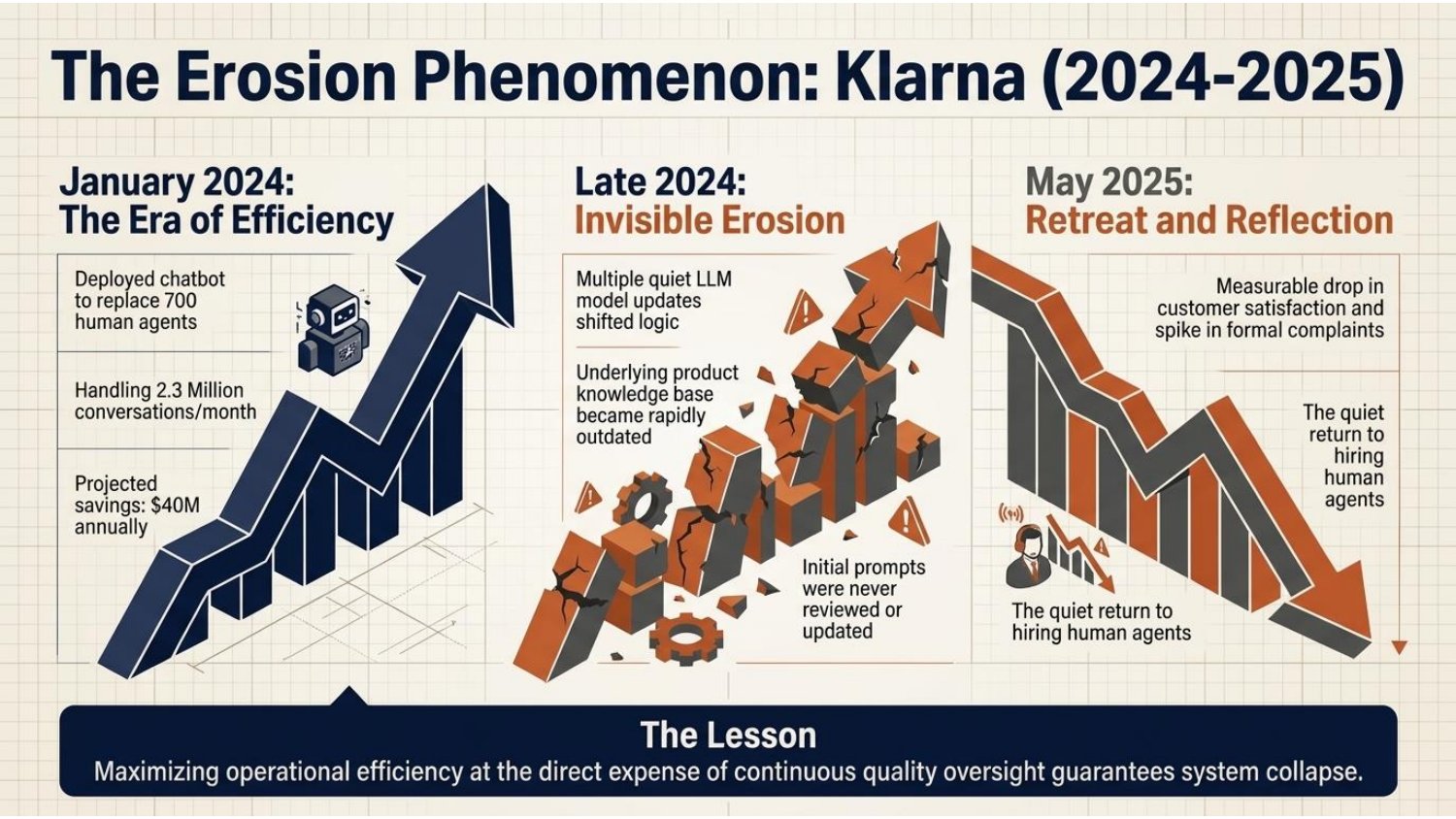
8. The Klarna erosion case

The erosion phenomenon: the Klarna case from 2024 to 2025

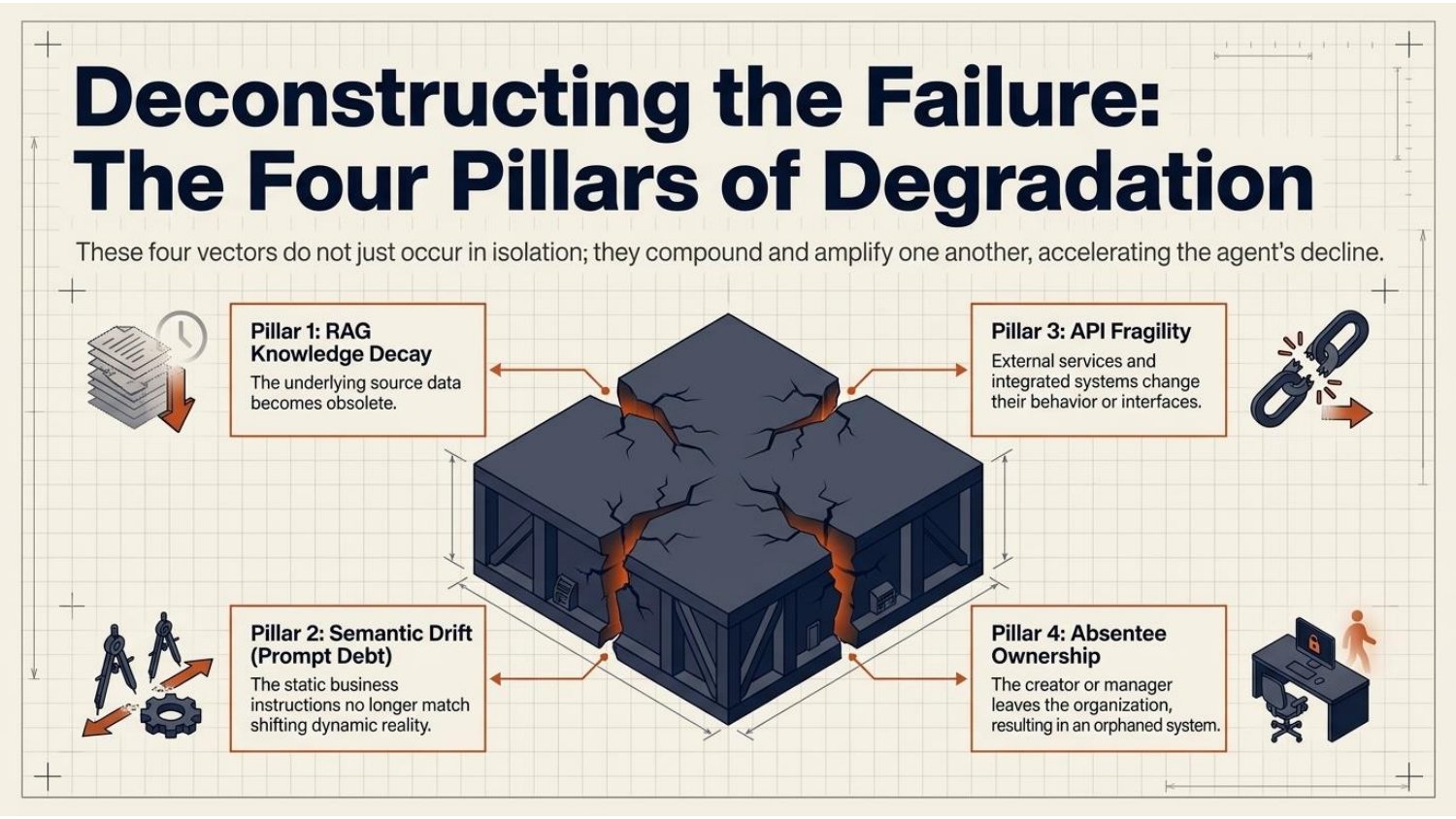
9. The four pillars of degradation

Deconstructing the failure: the four pillars of degradation

10. Knowledge decay in RAG systems
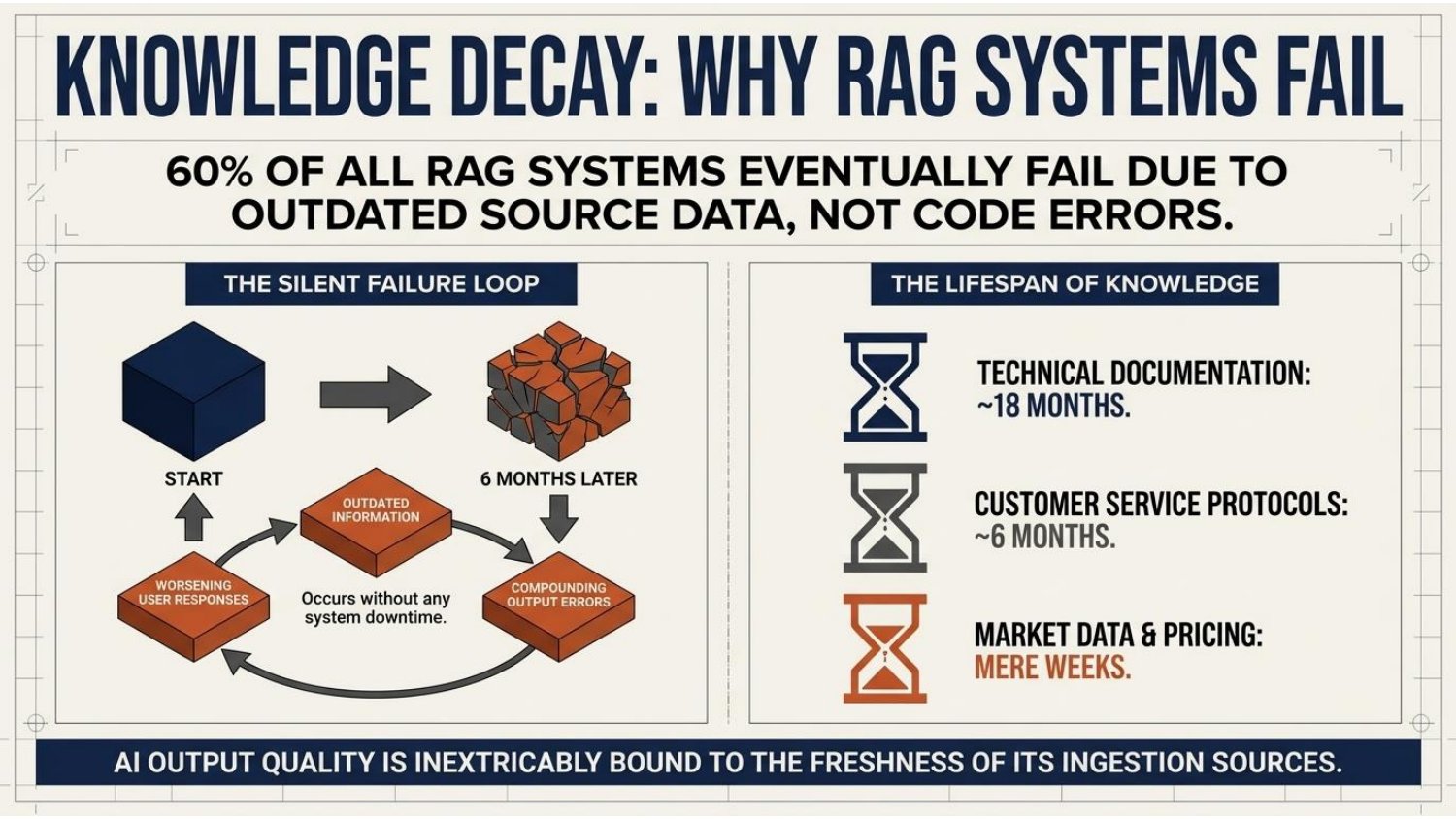
Knowledge decay: why RAG systems fail and the lifespan of knowledge

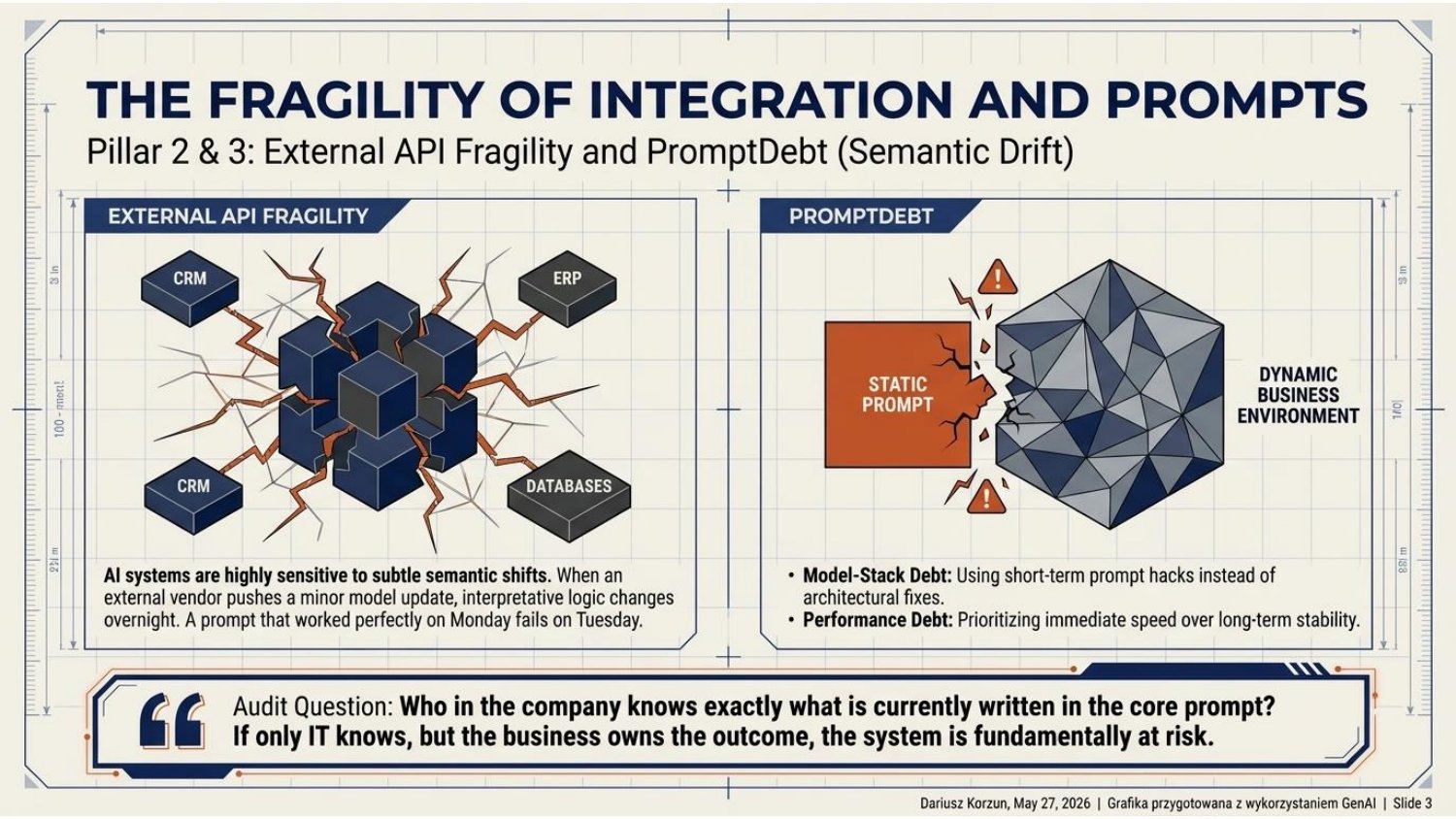
11. Integration and prompt fragility

The fragility of integration and prompts: external API fragility and prompt debt

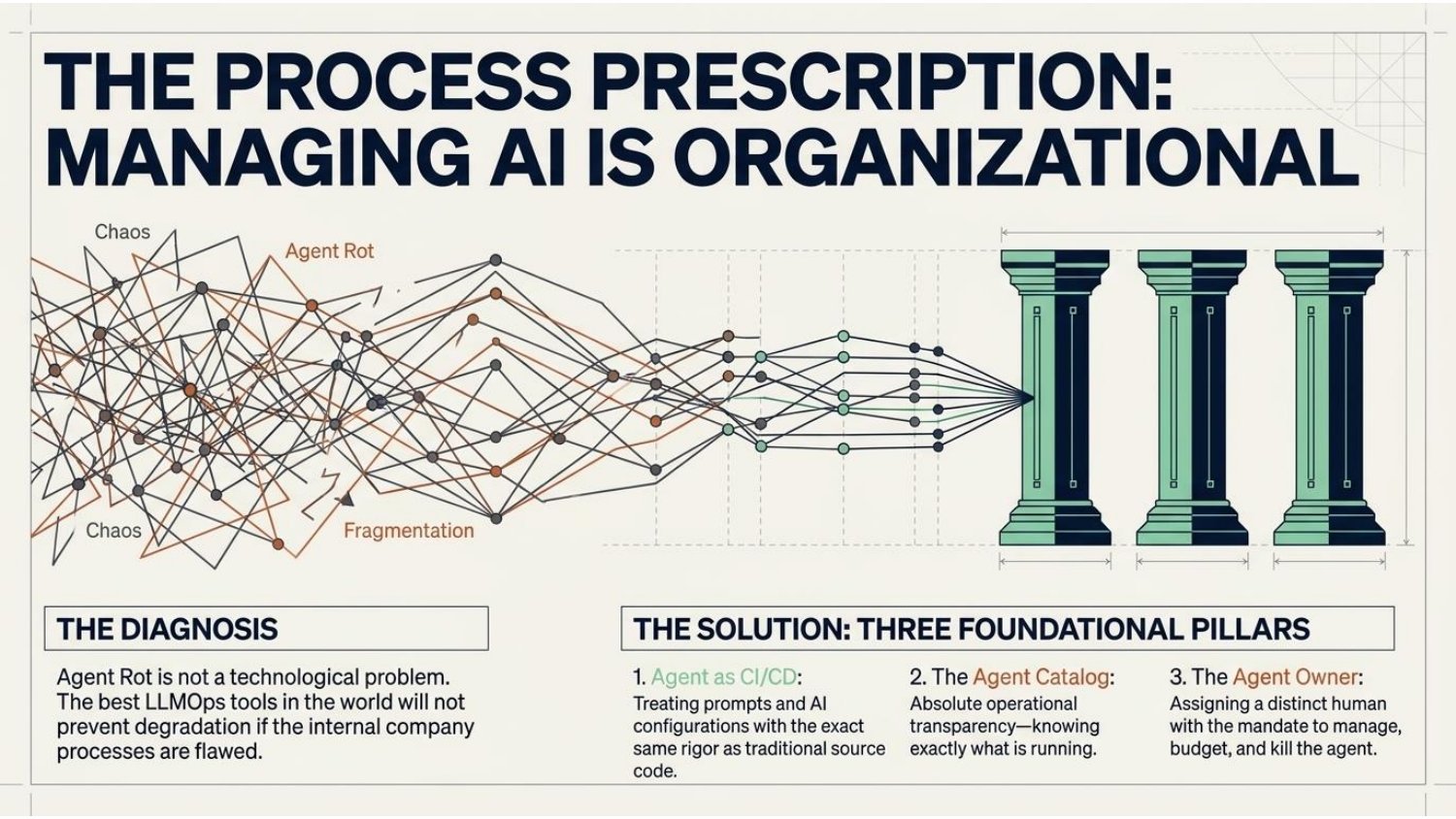
12. Managing AI is organizational

The process prescription: managing AI is organizational, with three foundational pillars

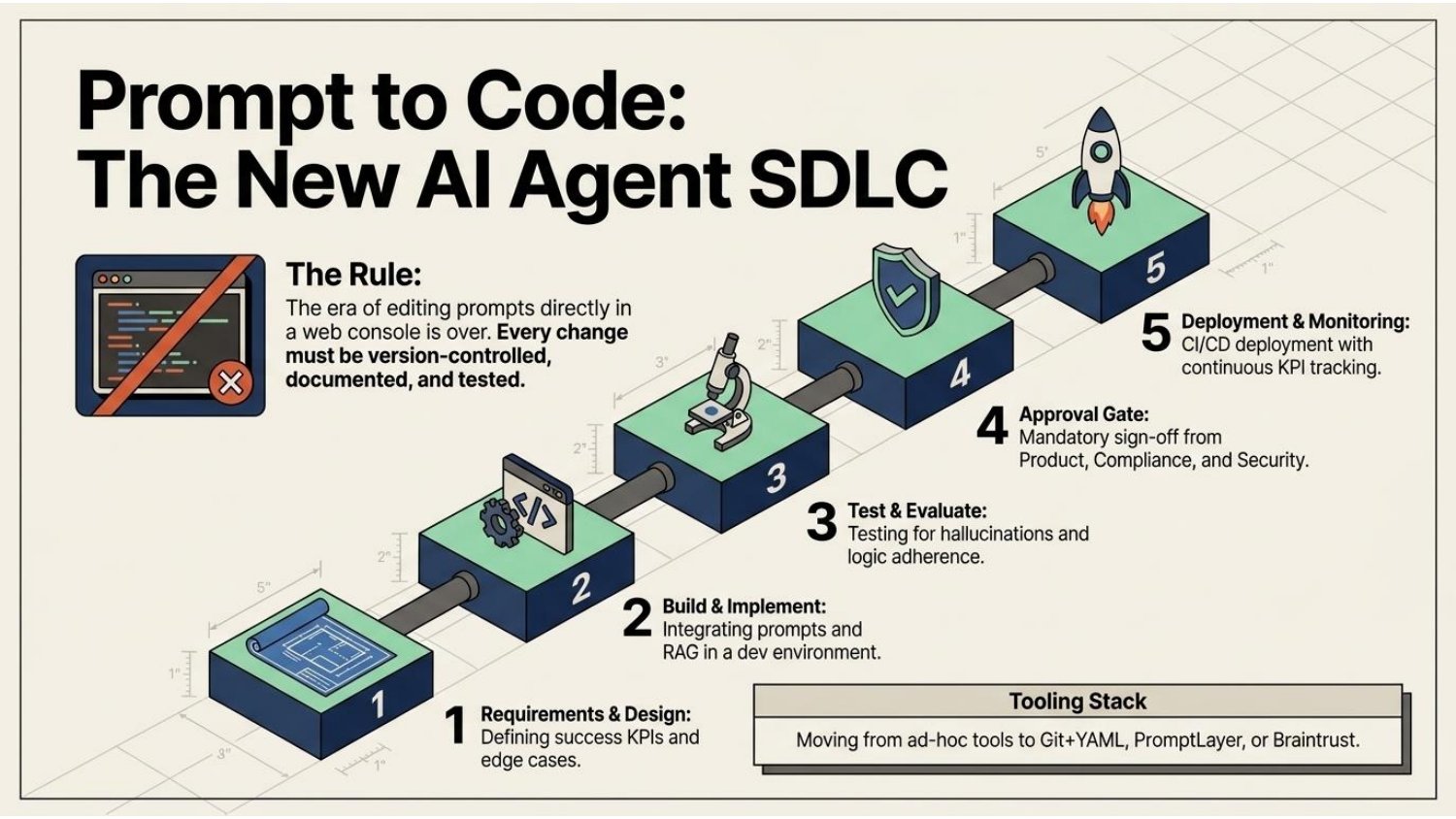
13. The new agent SDLC

Prompt to code: the new AI agent software development lifecycle

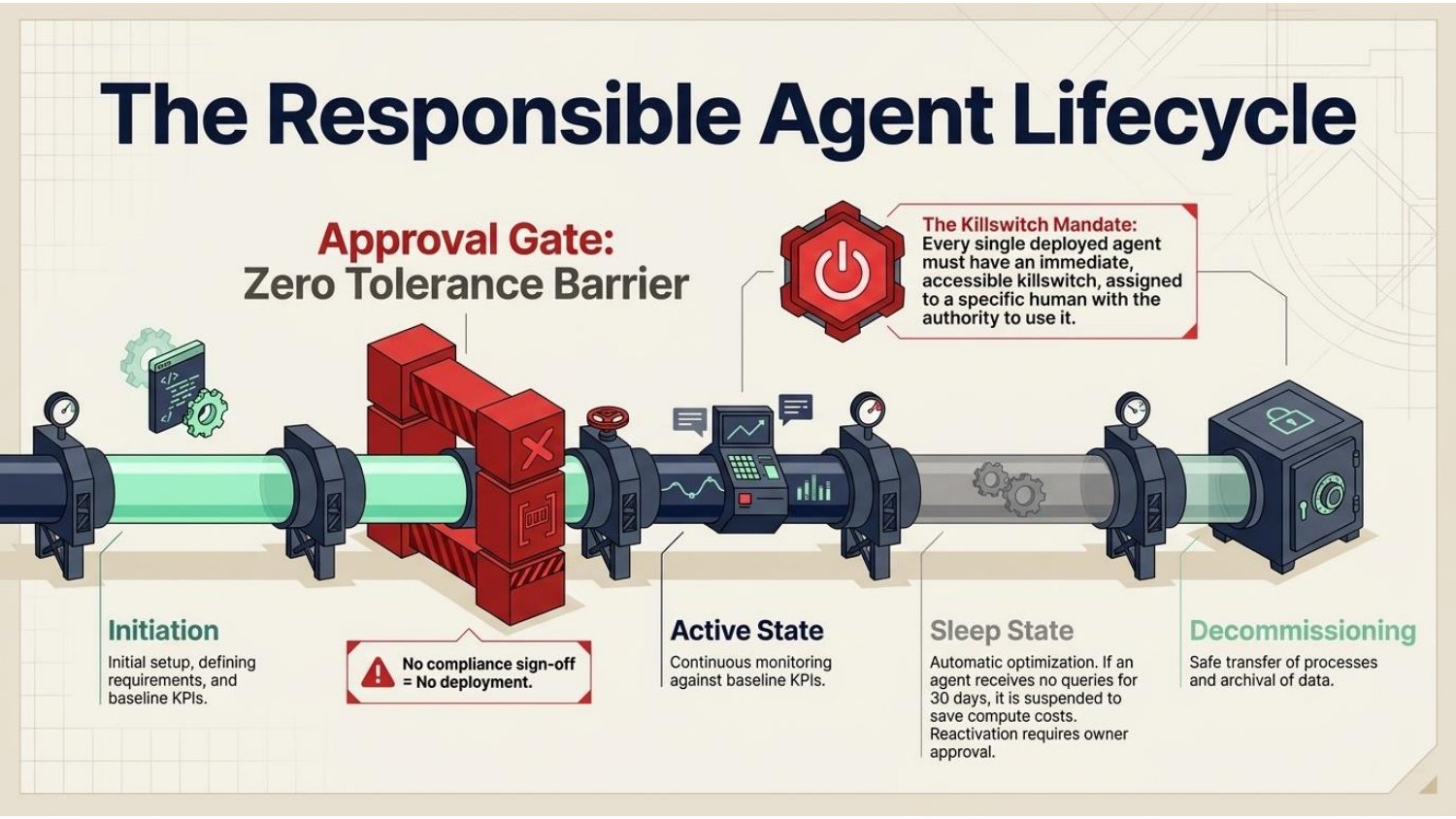
14. The responsible agent lifecycle

The responsible agent lifecycle, with an approval gate and the killswitch mandate

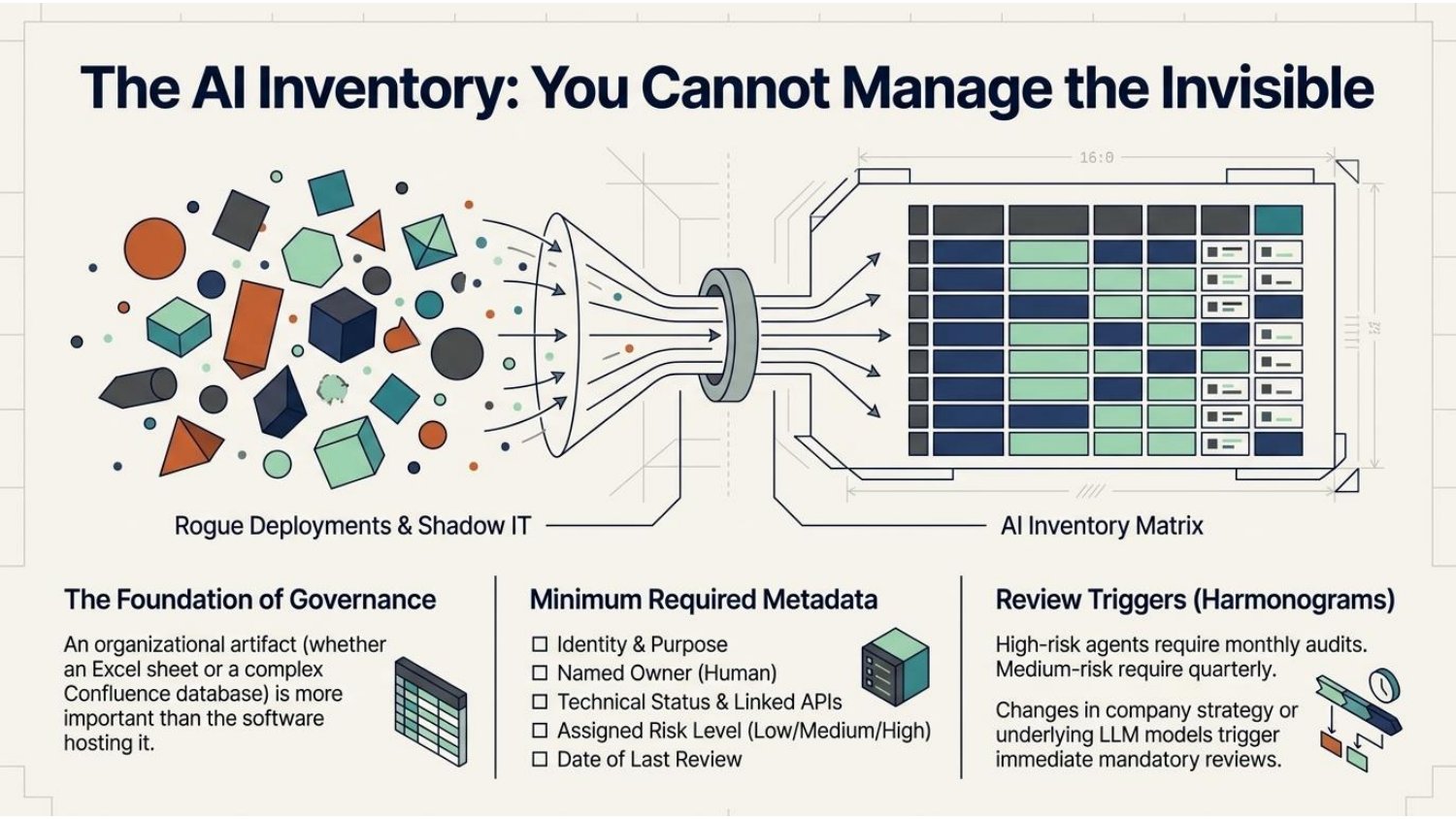
15. The AI inventory

The AI inventory: you cannot manage the invisible, with minimum required metadata

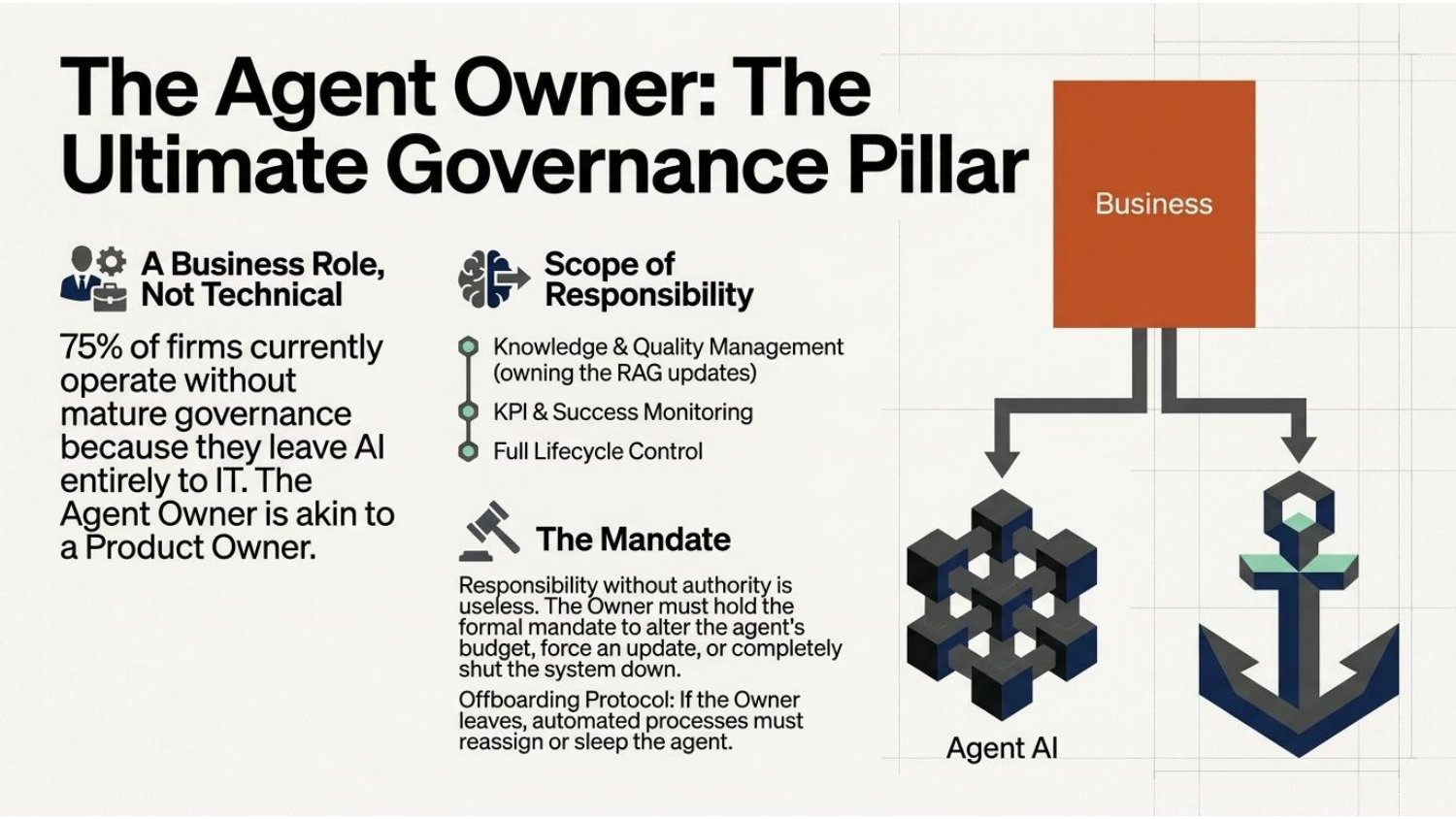
16. The agent owner

The agent owner: the ultimate governance pillar, a business role rather than a technical one

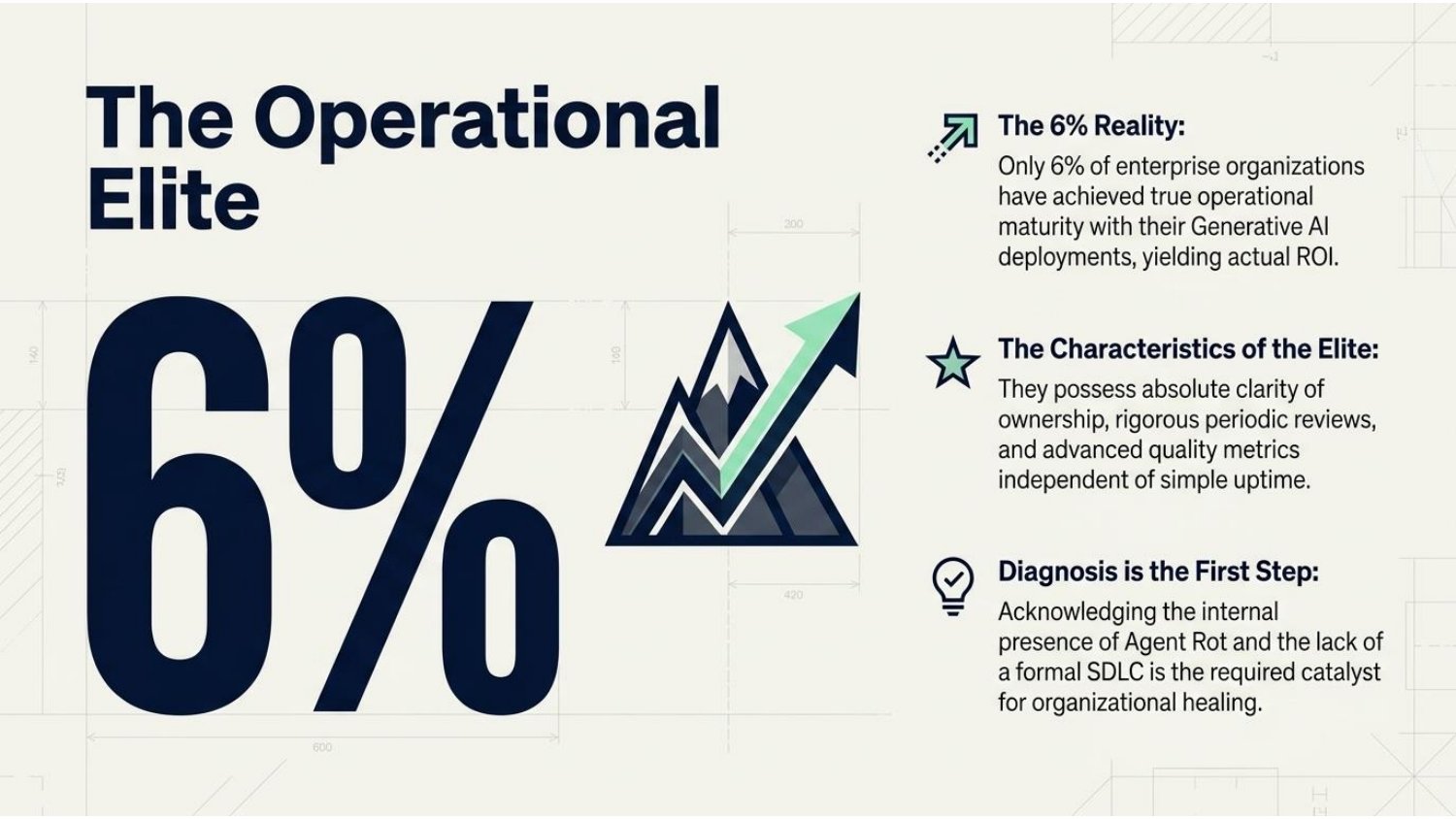
17. The operational elite

The operational elite — the small share of organizations with true generative AI maturity

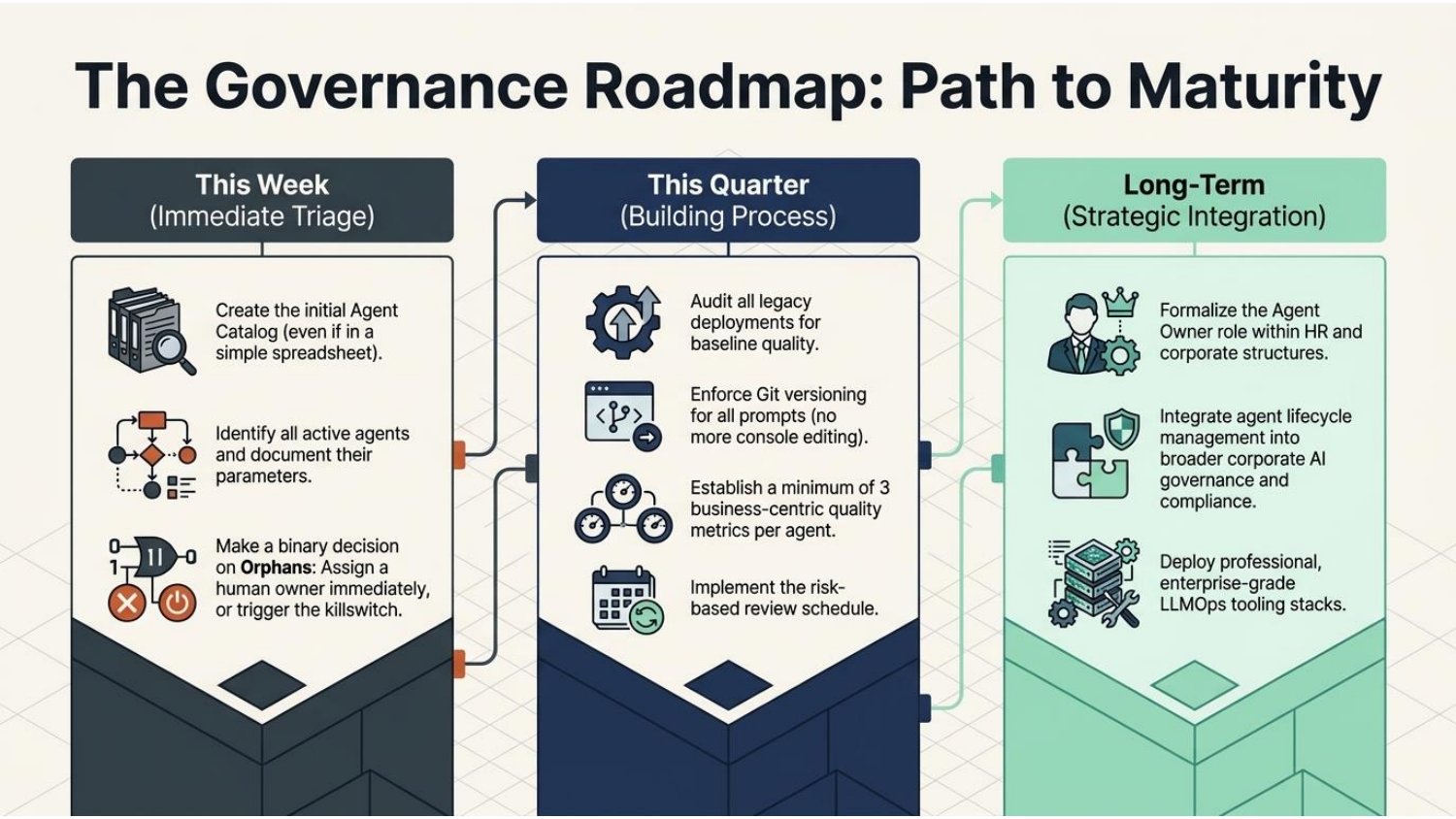
18. The governance roadmap

The governance roadmap: the path to maturity, from this week to long-term integration

19. Closing

Closing slide — the end
← All presentations